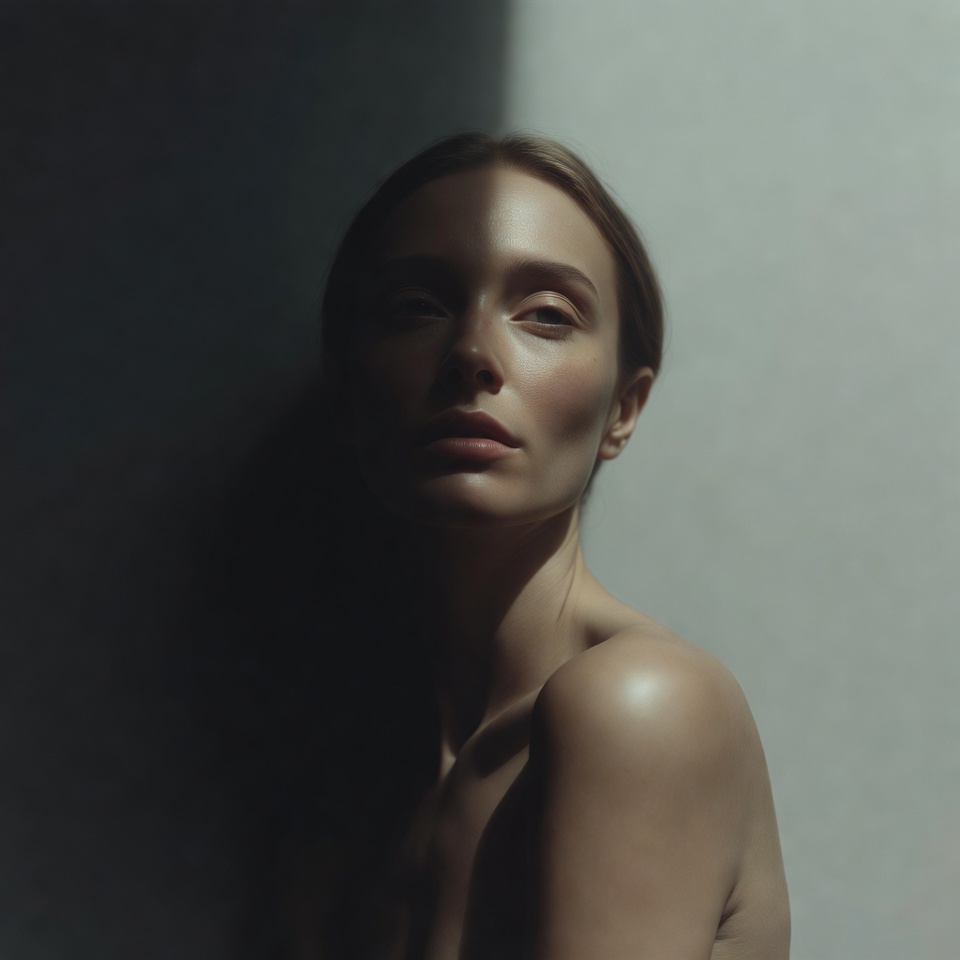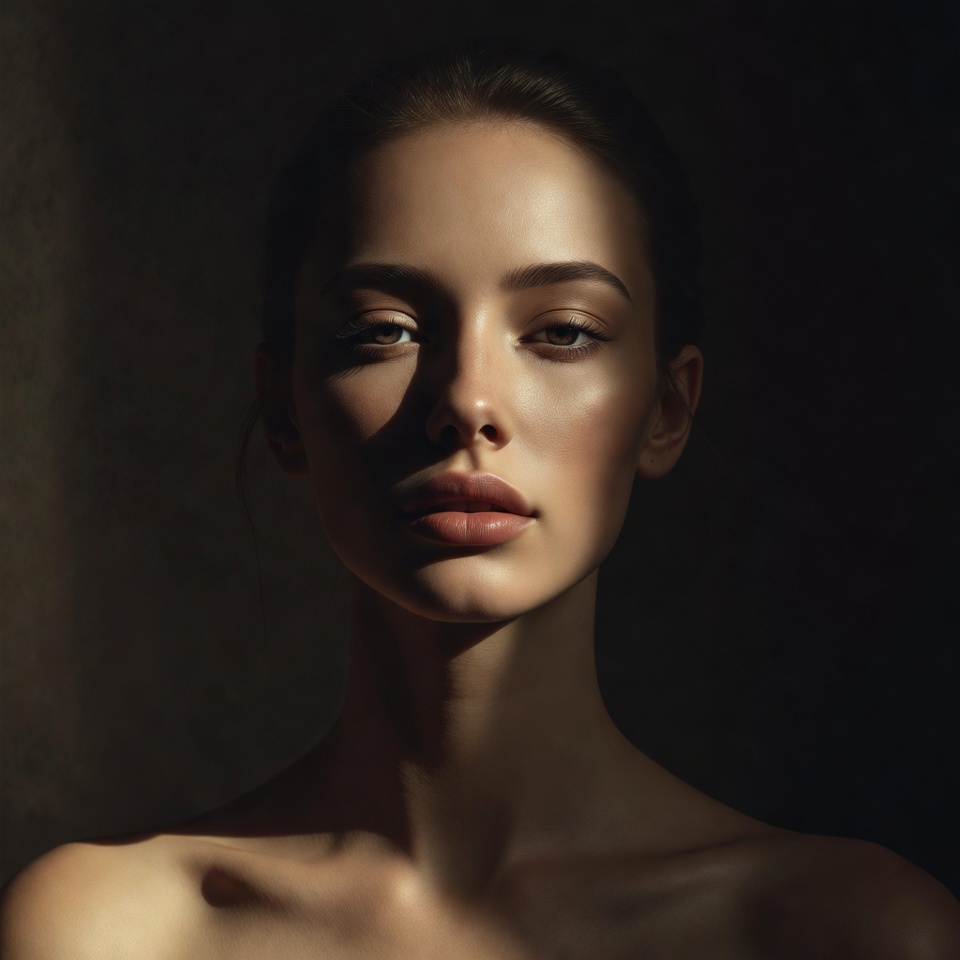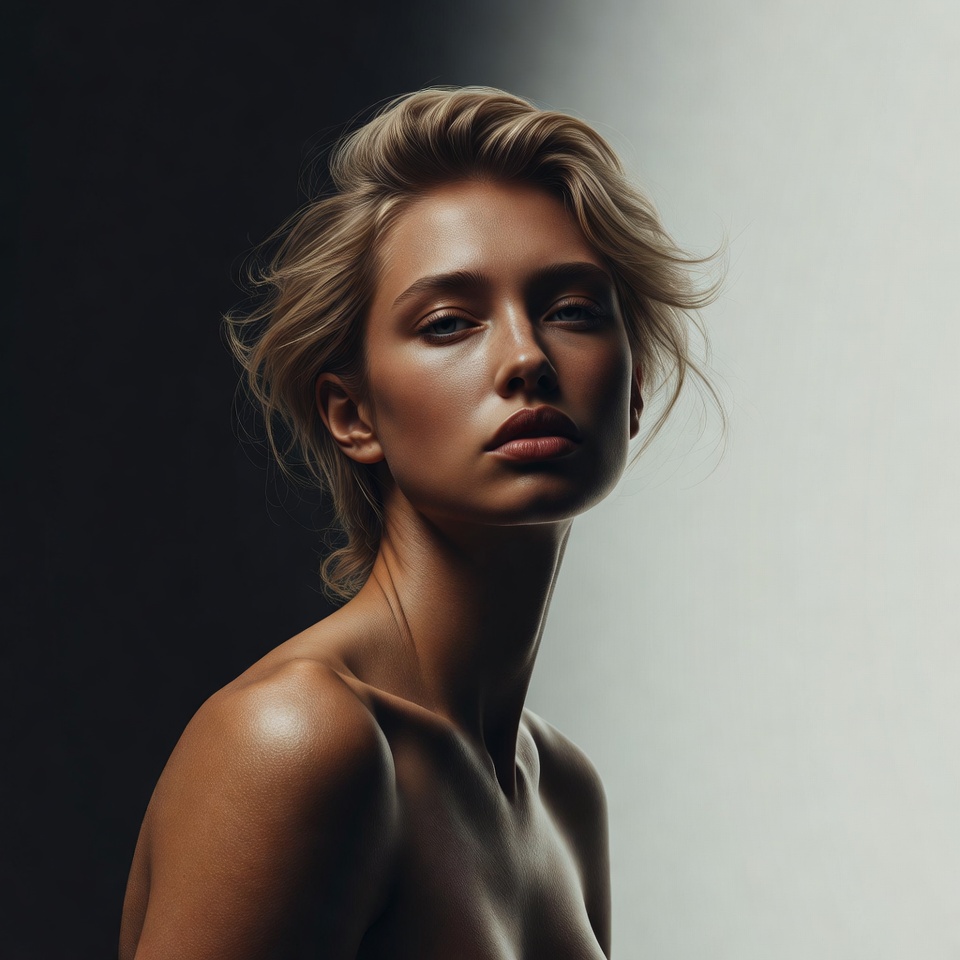
1. The Artistic Vision
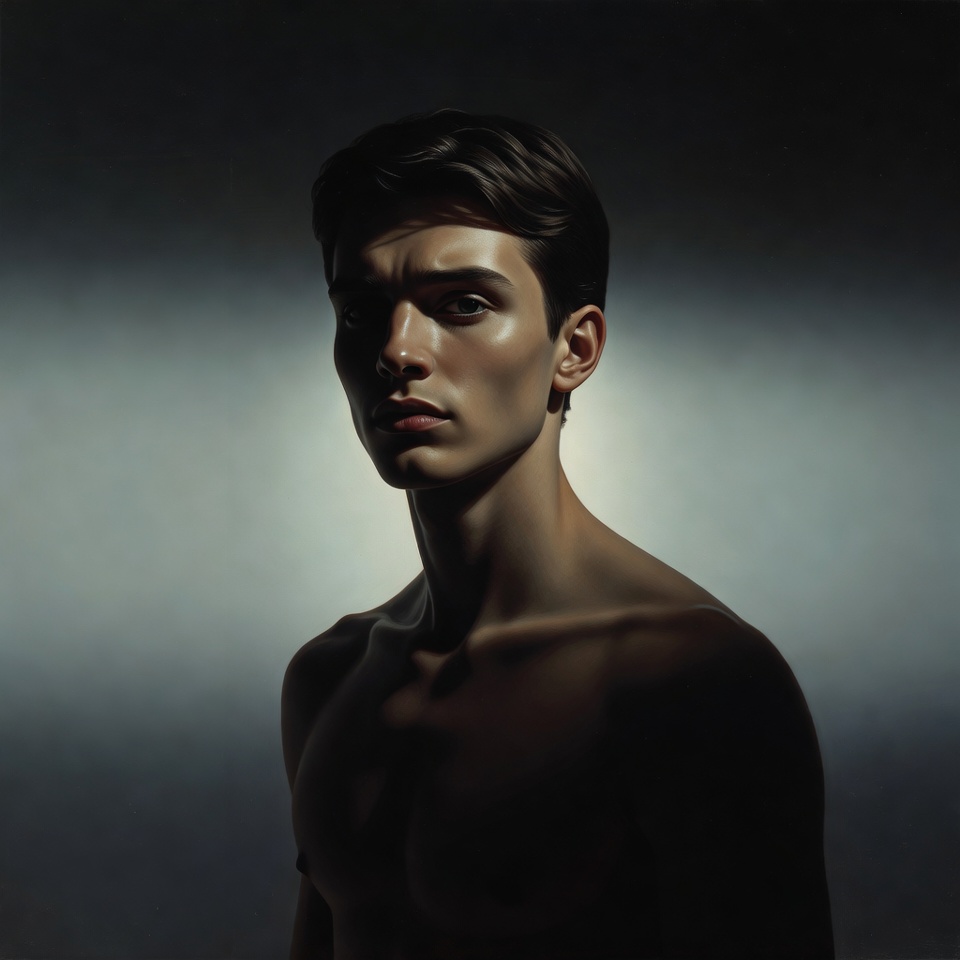
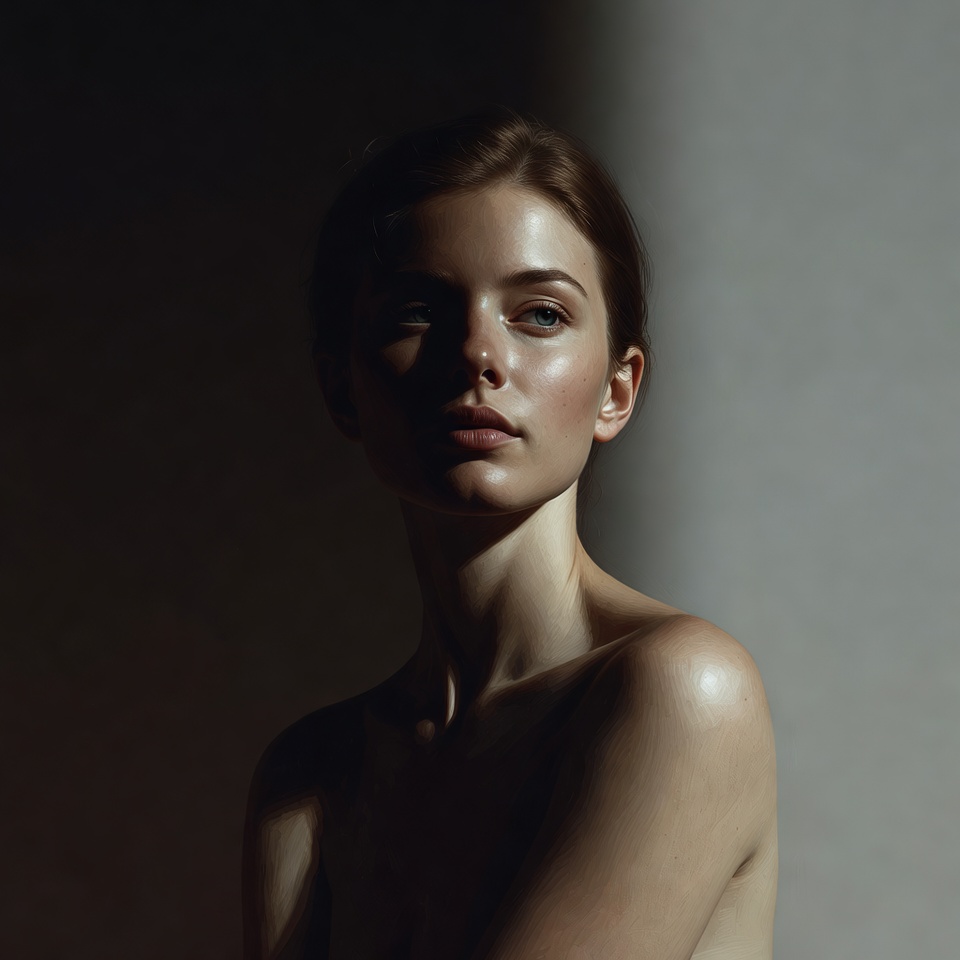
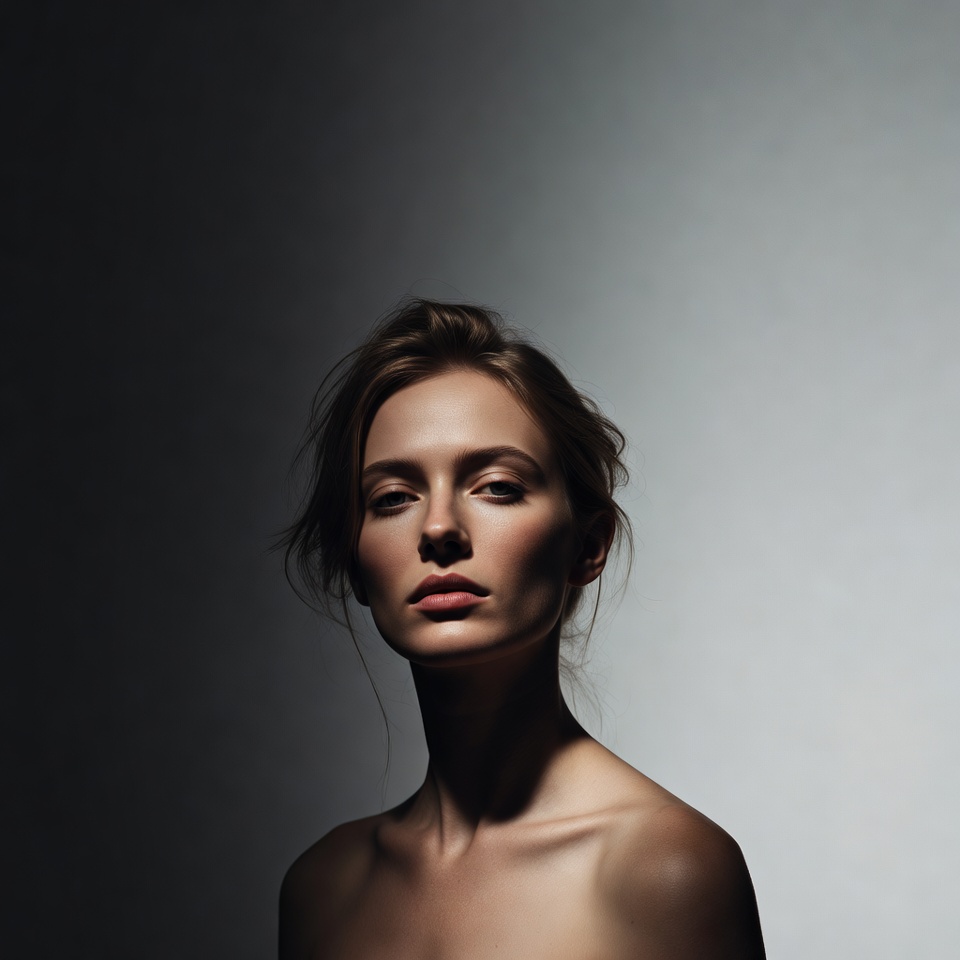
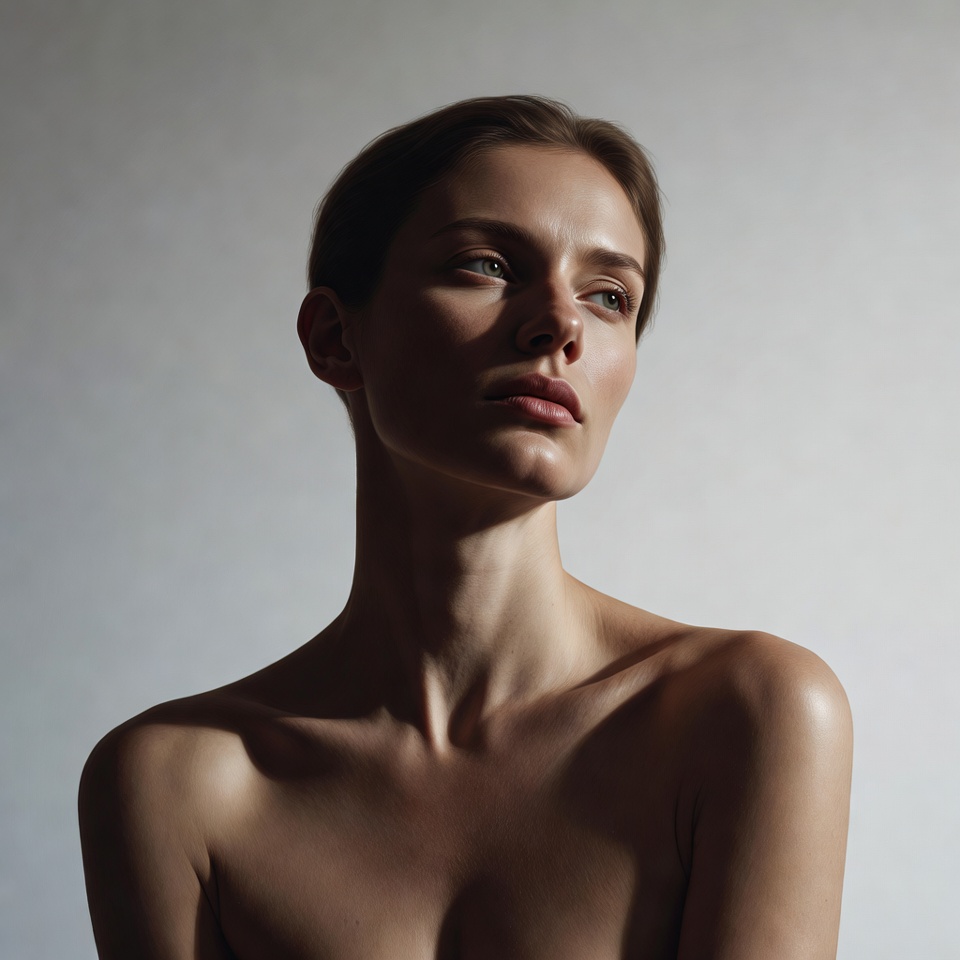
Oil Painting Style is the language of permanence: layered pigments, soft edge control, and tonal decisions that feel intentional rather than accidental. Add Split Lighting a face divided cleanly into light and shadow and you get a classical tension that instantly reads as fine art portraiture.
The paradox is where the magic happens: split lighting can feel severe, but when you frame it with Negative Space and keep the mood Ethereal, it becomes transcendent rather than harsh. Eye-Level maintains human connection, grounding the subject while the painterly rendering lifts the scene into something quiet, float-like, and almost sacred.
2. The Master Prompt (Copy-Paste Ready)
3. Anatomy of the Shot (Technical Deep Dive)
Why this Lighting: Split Lighting
Split Lighting places the key light at roughly 90° to the subject, producing:
- One side of the face brightly lit
- The other side in defined shadow
- A strong vertical boundary that sculpts structure (nose bridge, cheek plane, jawline)
In oil painting terms, this is a modern cousin of chiaroscuro: it gives you instant form. To keep it ethereal, you don’t want the shadow side to become a dead black. The goal is tonal presence a shadow with subtle color, soft edges, and painterly transitions.
Practical prompt behavior: add gentle modifiers outside your five inputs like “soft shadow detail” or “subtle reflected light” if the render becomes too stark.
Why this Angle: Eye-Level
Eye-level is critical in painterly portrait work:
- It maintains dignity and intimacy
- It keeps proportions stable (important when asking for “natural proportions”)
- It allows lighting contrast to feel like a deliberate artistic choice, not a gimmick
It also pairs beautifully with negative space eye-level compositions often look gallery-hung and contemplative.
Why this Composition: Negative Space
Negative space is how ethereal moods breathe:
- It reduces visual noise, making the subject feel isolated in atmosphere
- It increases the perceived softness of the scene (even with high contrast lighting)
- It creates a museum-like read: subject as icon, background as silence
Place the illuminated side of the face toward the open space so the light “spills” into emptiness. That’s a classic fine-art layout that feels elevated immediately.
4. Color Palette & Aesthetics
Recommended Palette: Pearl Neutrals + Cool Shadows
- Highlights: ivory, warm cream, pale peach
- Midtones: muted taupe, soft rose-brown
- Shadows: blue-gray / lavender-gray (cool, airy, not muddy)
Textures to Expect (and to encourage):
- Visible brushstroke suggestion (fine, layered)
- Soft edge falloff around hair and shoulders
- Gentle canvas grain or varnished sheen (subtle avoid heavy texture spam)
5. Pro Tips for Refinement
Tip 1 (Stylization control for painterliness):
- Midjourney:
--style raw --stylize 250can lean photographic. For a truer oil feel:- Increase to
--stylize 350–600to encourage painterly decisions and brushwork. - If it becomes too abstract, step back to
--stylize 200–300and add “classical oil portrait, soft brushwork.”
- Increase to
- Stable Diffusion (CFG scale):
- Start CFG 4.5–6.5 for painterly coherence.
- If you get crunchy edges (hurting ethereal): lower CFG slightly and add “soft edges, painterly blending.”
Tip 2 (Subject matter that excels in split-lit oils):
- Faces with clear bone structure (cheekbones, brow ridge) translate beautifully into split lighting
- Minimal accessories let the lighting do the drama
- Calm expression and relaxed mouth: ethereal is restraint, not theatrics
6. FAQ (Rich Snippet Optimized)
Q: Can I use this prompt for “Renaissance portrait” results?
A: Yes. Keep the same structure, then add Renaissance cues (muted palette, classical wardrobe, darker ground) while preserving split lighting for sculptural form.
Q: What creates the Ethereal feeling in this shot?
A: Ethereal comes from contrast with softness: split lighting sculpts the face, negative space removes distraction, cool-toned shadows keep darkness airy, and oil painting texture turns realism into quiet, timeless atmosphere.