1. The Artistic Vision
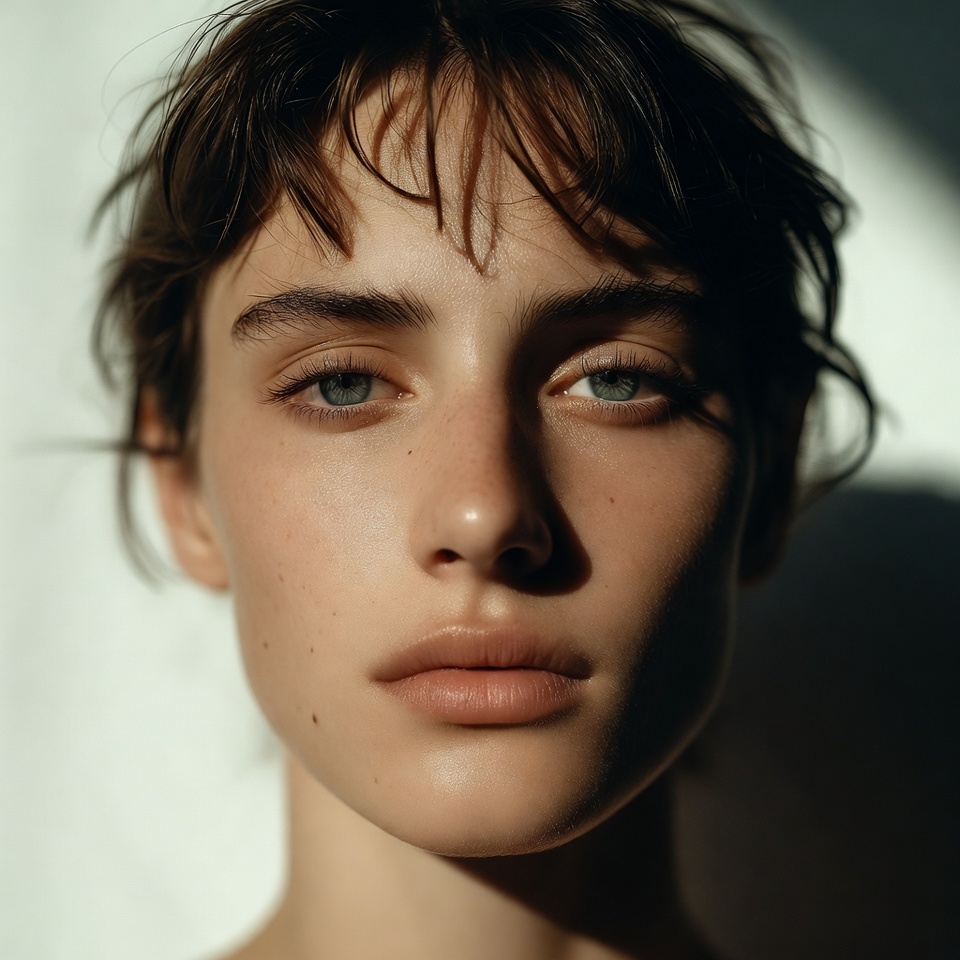
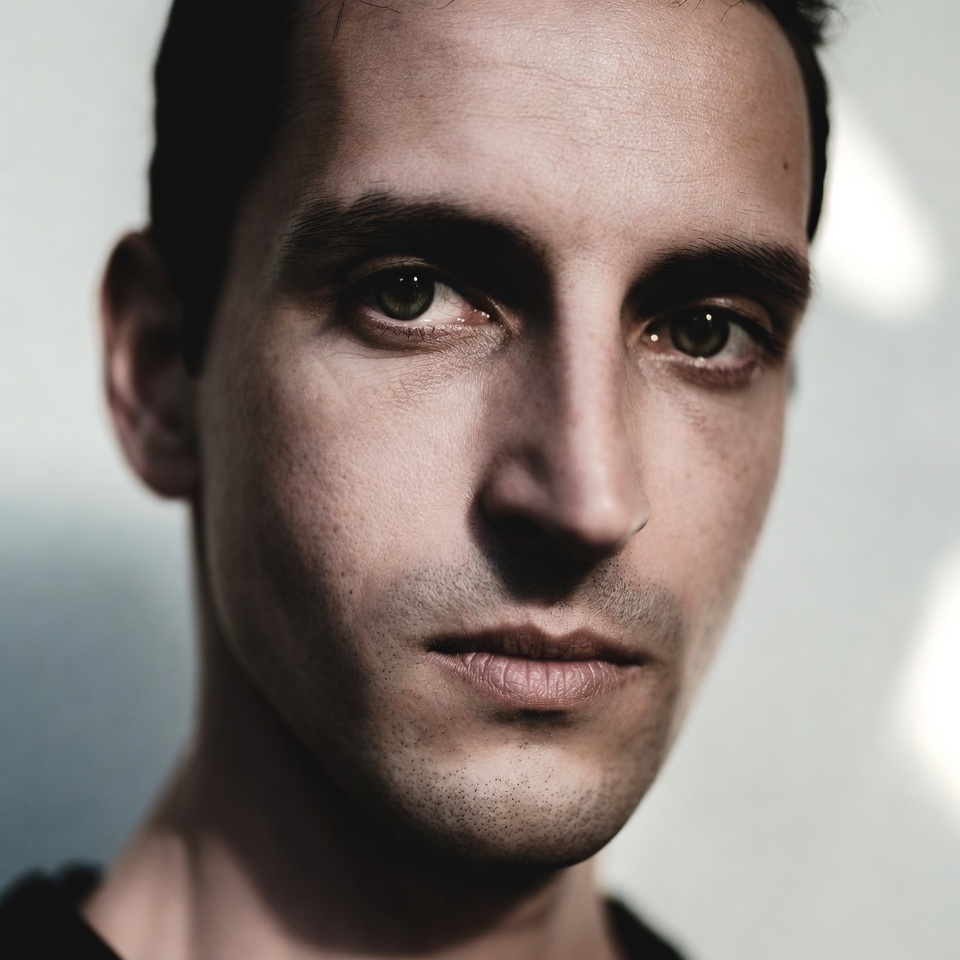
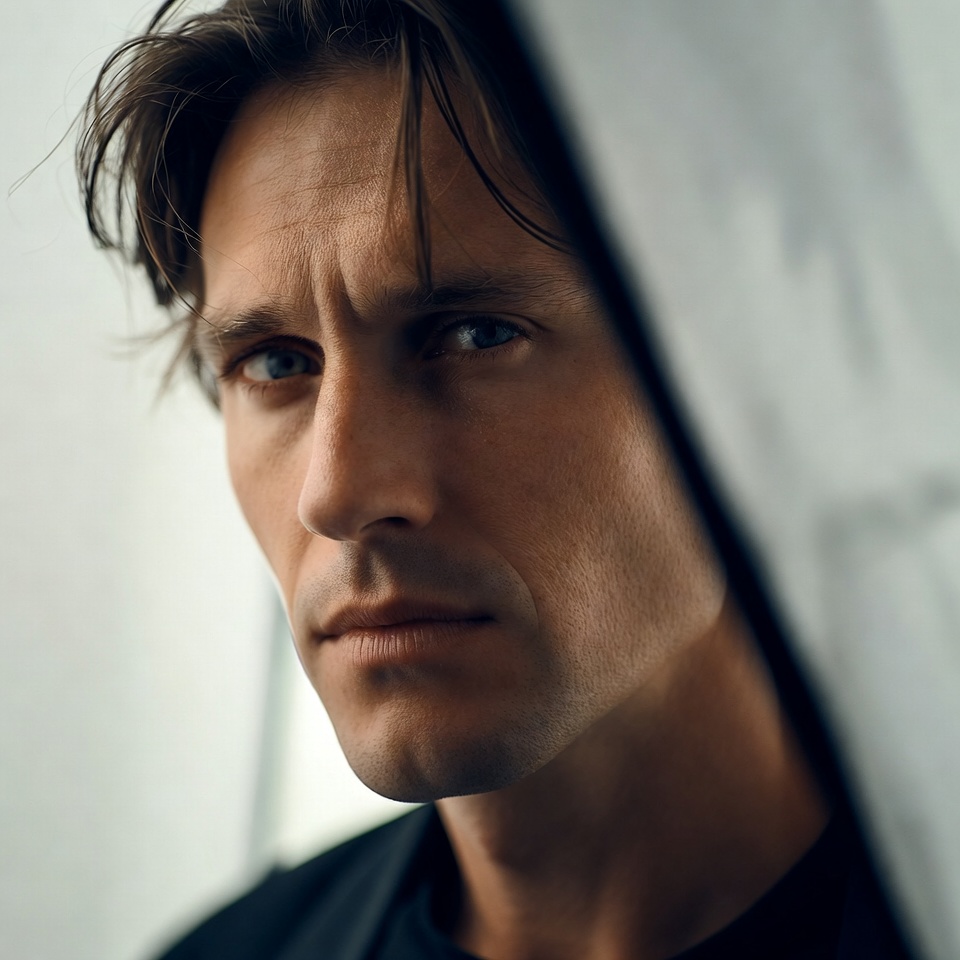
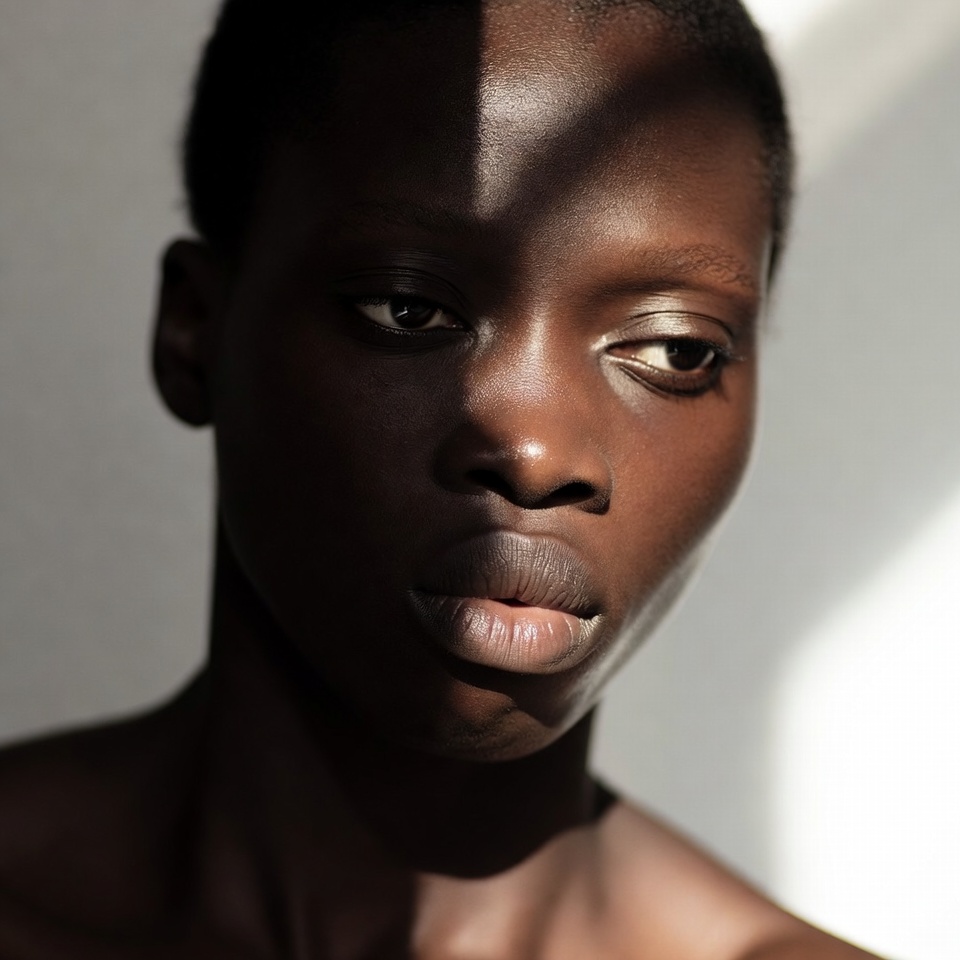
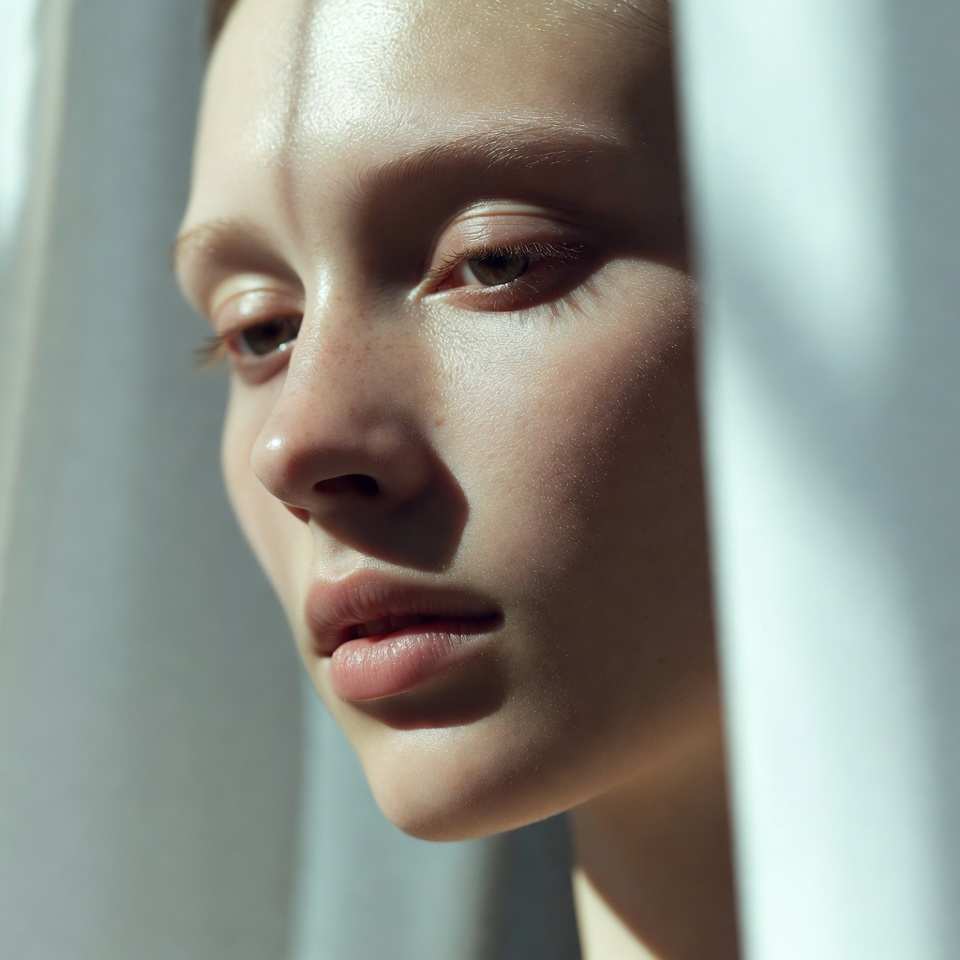
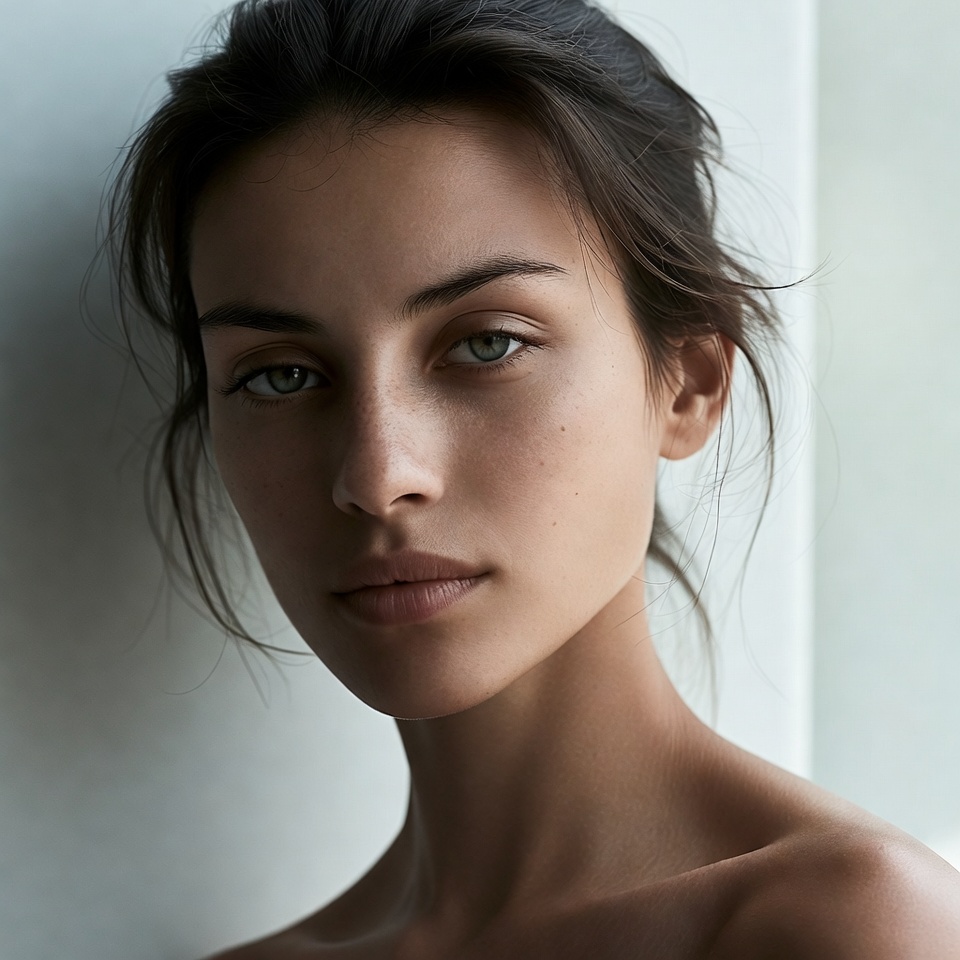
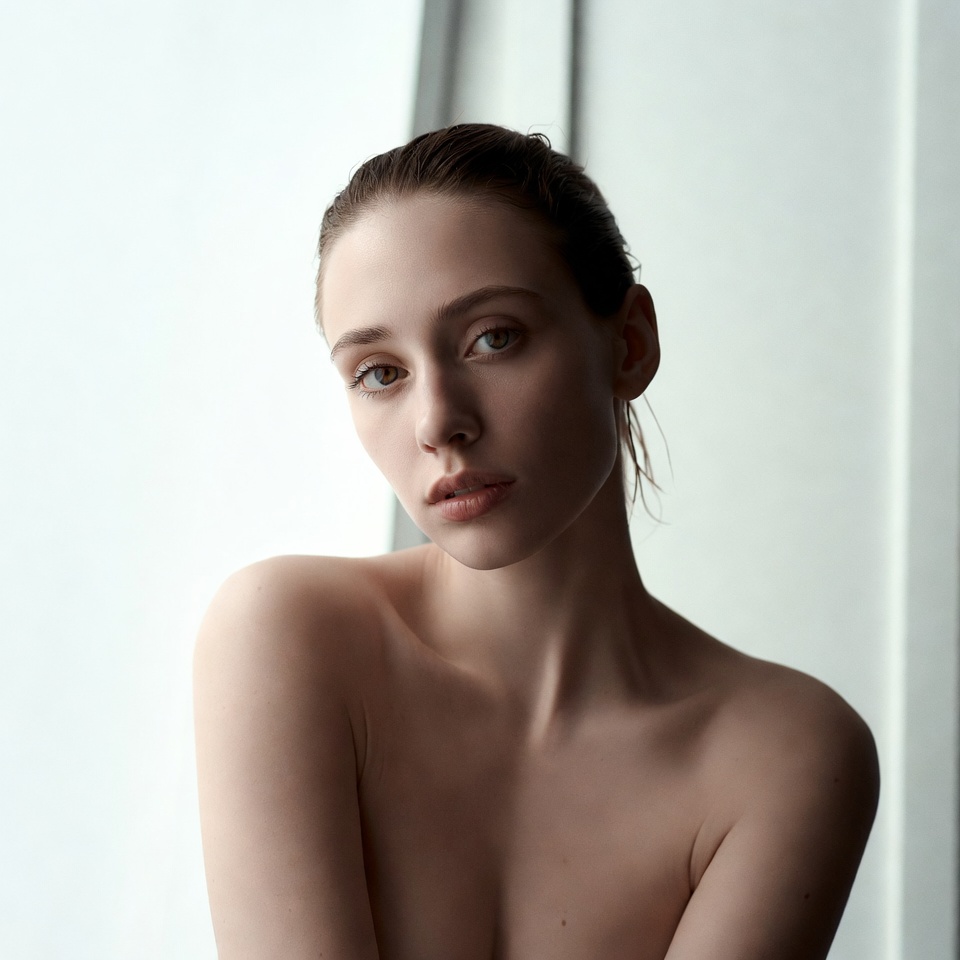
A Cinematic Portrait doesn’t just depict a face it implies a scene before and after the shutter. When you pair that filmic language with Softbox Diffusion, you get a luminous, controlled softness that feels like a close-up from a prestige drama: gentle highlights, restrained contrast, and skin rendered with intention rather than harshness.
This specific combination is exceptionally effective for a Melancholic mood because diffusion removes the violence of light. Instead of sharp transitions (which read as energetic or confrontational), softbox light produces smooth tonal roll-off across cheeks, brow, and jawline an optical whisper. At Eye-Level, the viewer meets the subject without dominance or submission, creating emotional parity. The result is intimate, contemplative, and human melancholy without melodrama.
2. The Master Prompt (Copy-Paste Ready)
Midjourney / Stable Diffusion Formula (exact inputs preserved):
3. Anatomy of the Shot (Technical Deep Dive)
Why this Lighting: Softbox Diffusion
Softbox diffusion is a large apparent light source, which reduces shadow edge hardness and compresses micro-contrast. Technically, it:
- Smooths specular highlights (forehead, nose bridge, cupid’s bow) into controlled sheen rather than “hot spots.”
- Elevates shadow detail without making the image look flat perfect for melancholy, where you want quiet depth, not punchy drama.
- Produces cinematic tonal continuity: gradual transitions that feel “graded,” even before post-processing.
If you want a stronger film still vibe, the trick is not harsher light it’s shape + direction: place the softbox slightly off-axis (30–45°) and a touch above eye line so you still get sculpting under diffusion.
Why this Angle: Eye-Level
Eye-level framing is psychologically neutral, which makes it ideal for melancholy:
- It avoids the “power read” of low angle and the “vulnerability read” of high angle.
- It invites empathy by mimicking real conversational distance.
- It keeps facial planes proportional critical when you’re chasing realism and a cinematic editorial finish.
In prompt terms, “eye-level” is your realism anchor: it prevents the model from drifting into exaggerated hero-shot perspectives that break intimacy.
Why this Composition: Rule of Thirds
Rule of thirds gives melancholy space to breathe. Compositionally, it:
- Positions the subject so negative space becomes narrative a visual pause.
- Guides the viewer’s eye from the subject’s nearer eye across the frame, creating gentle motion without visual chaos.
- Enhances “cinematic” language because film frames often reserve space for implied context (even on minimal backgrounds).
A pro-level refinement: place the dominant eye near an upper intersection point, and allow the gaze to travel into the open side of the frame (classic cinematic “look room”).
4. Color Palette & Aesthetics
Recommended Color Palette (for melancholic cinema):
- Desaturated Teal & Warm Neutrals: cool shadows, softly warm skin highlights.
- Optional accent: Muted burgundy (lips, subtle wardrobe detail) for emotional gravity.
Textures to expect (and encourage):
- Fine film grain (subtle, not crunchy)
- Soft fabric diffusion (cotton, knitwear, matte tailoring)
- Gentle skin micro-texture (pores visible but tasteful avoid “hyper-sharpened plastic”)
If your generations look too clean, add a cue like “subtle film grain” or “cinematic color grading” (without overpowering the base prompt).
5. Pro Tips for Refinement
Tip 1 (Stylization control):
- Midjourney: Keep
--style raw(already included) to preserve photographic discipline.- For more realism: drop
--stylizeto 100–175. - For more cinematic interpretation: raise to 300–450, but watch for overly “designed” skin.
- For more realism: drop
- Stable Diffusion: Use CFG 4.5–7 for realism; go 7–9 if you want stronger adherence to “cinematic portrait” styling.
Tip 2 (Subject matter that sells melancholy):
Melancholy reads best when the face provides narrative micro-signals:
- Slightly downcast eyes or a soft off-camera gaze
- Relaxed mouth (no grin), minimal facial tension
- Wardrobe that avoids loud patterns; choose matte, dark-to-mid tones for understated emotion
Subjects with expressive bone structure (cheekbones, brow) benefit most from softbox sculpting without harshness.
6. FAQ (Rich Snippet Optimized)
Q: Can I use this prompt for a Noir Cinematic Portrait?
A: Yes swap “Softbox Diffusion” for harder, directional light (e.g., “hard key light”) and increase contrast cues, but keep Eye-Level + Rule of Thirds for narrative framing.
Q: What creates the Melancholic feeling in this shot?
A: The melancholy is driven by diffused lighting (low aggression highlights), eye-level neutrality (empathy), and rule-of-thirds negative space (visual quiet) a technical recipe for restrained emotion.