1. The Artistic Vision
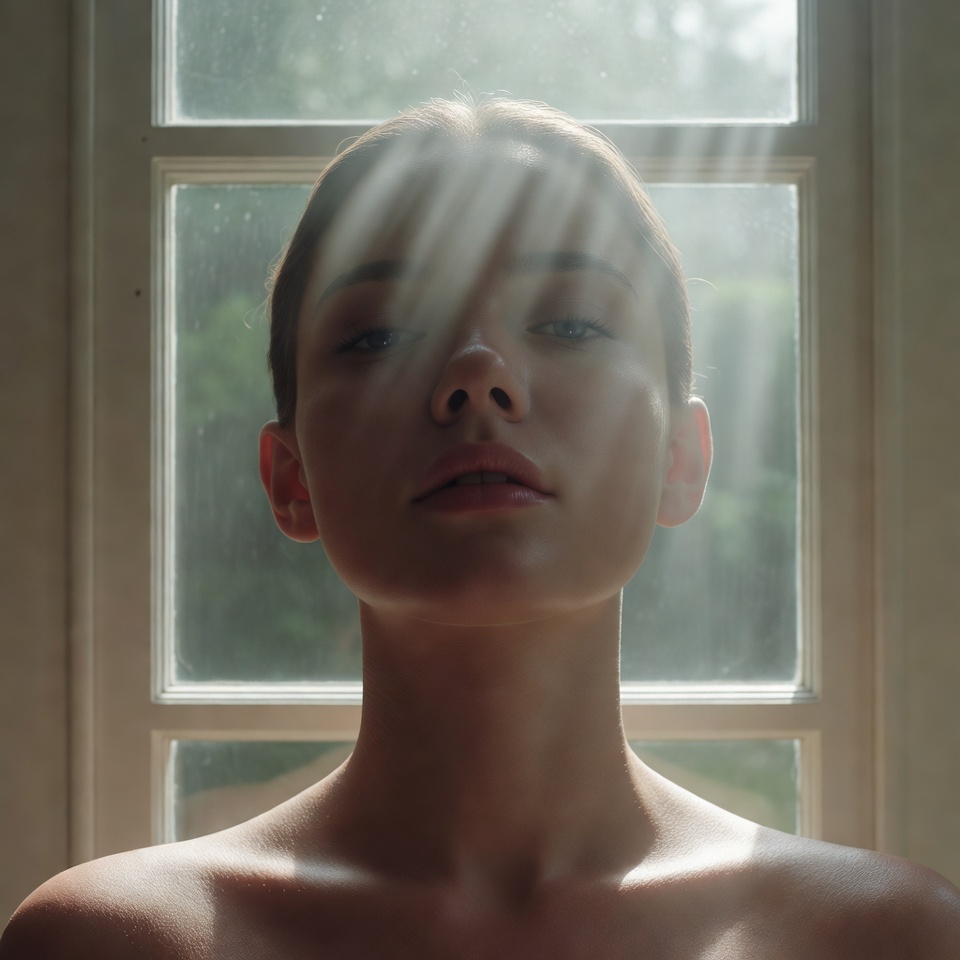
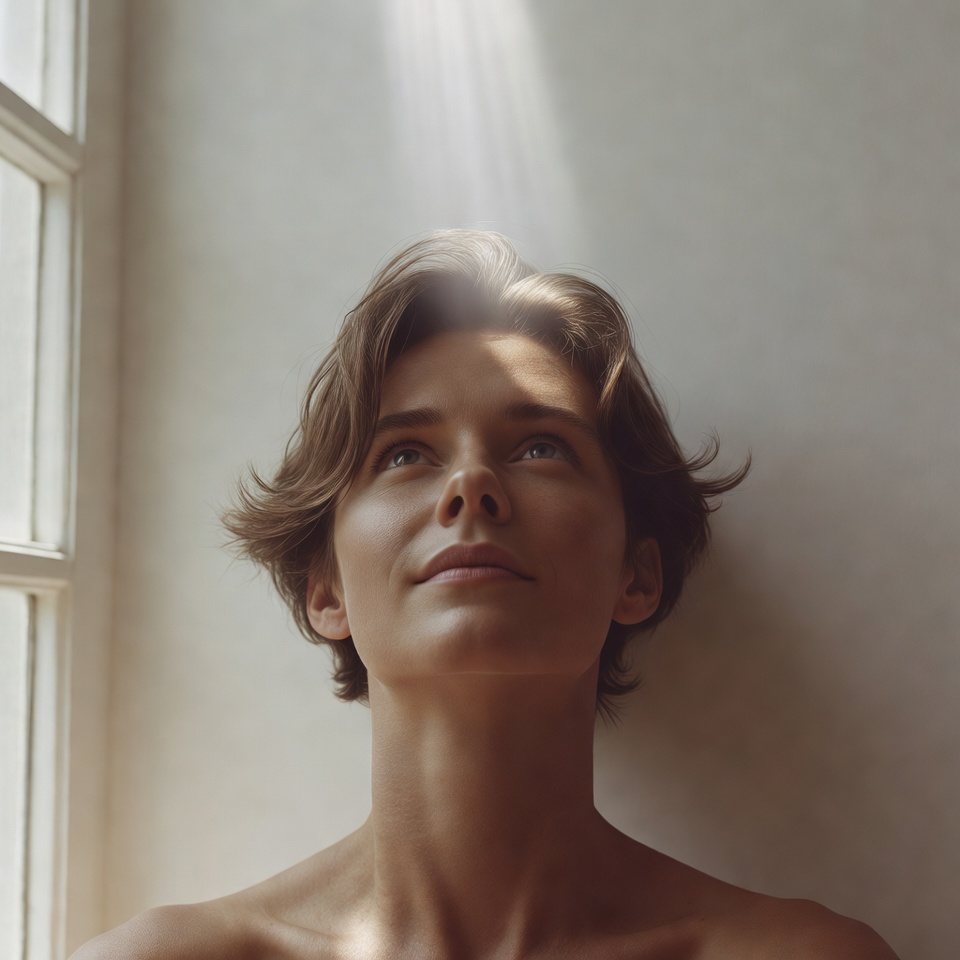
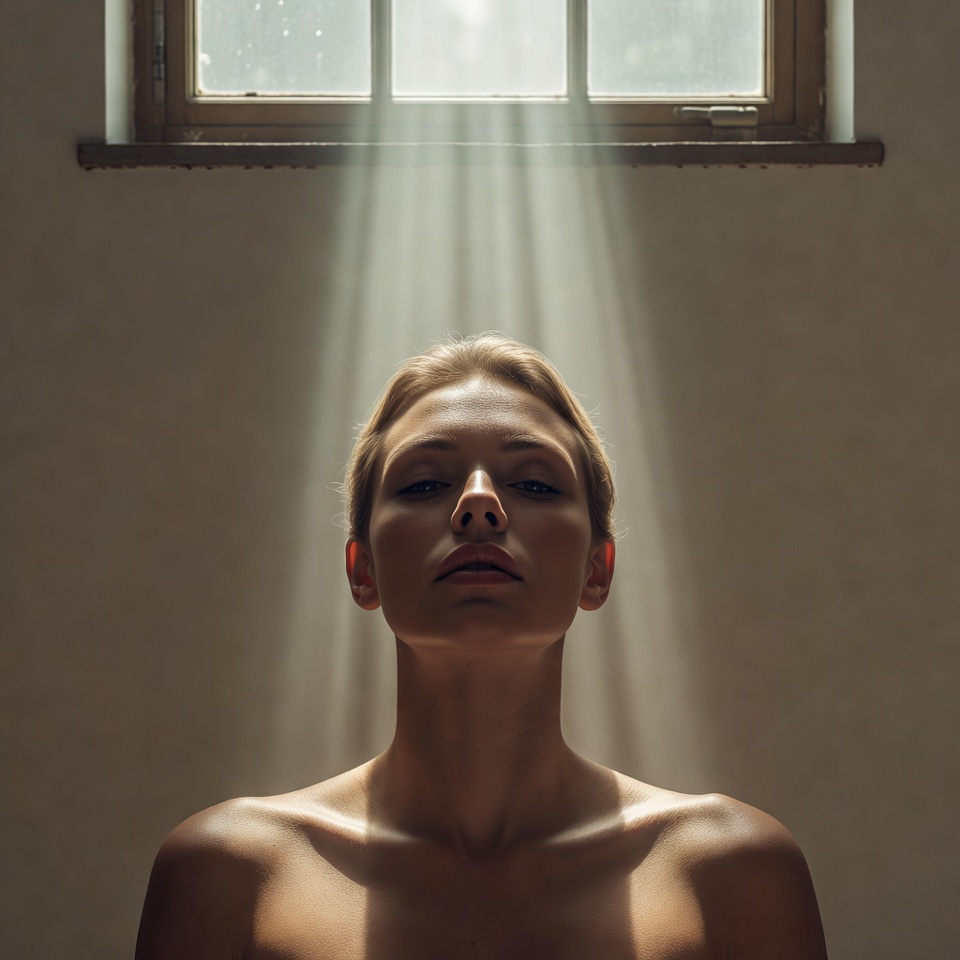
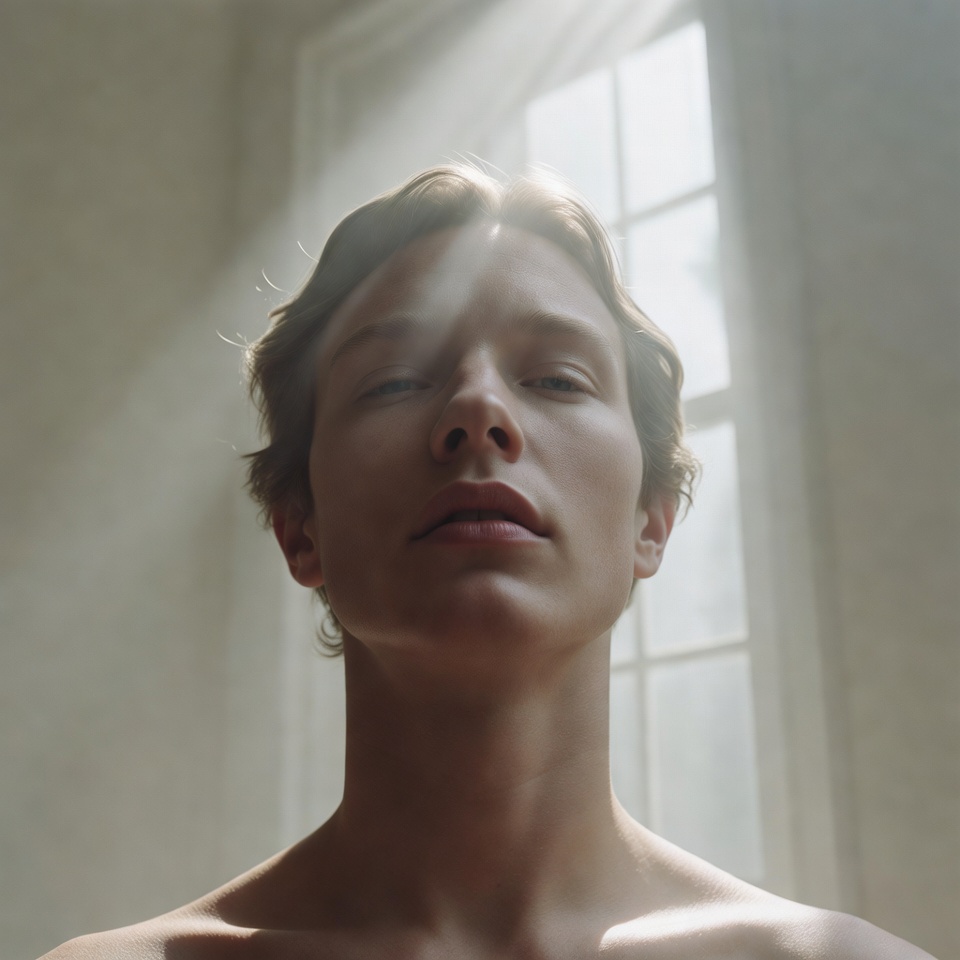
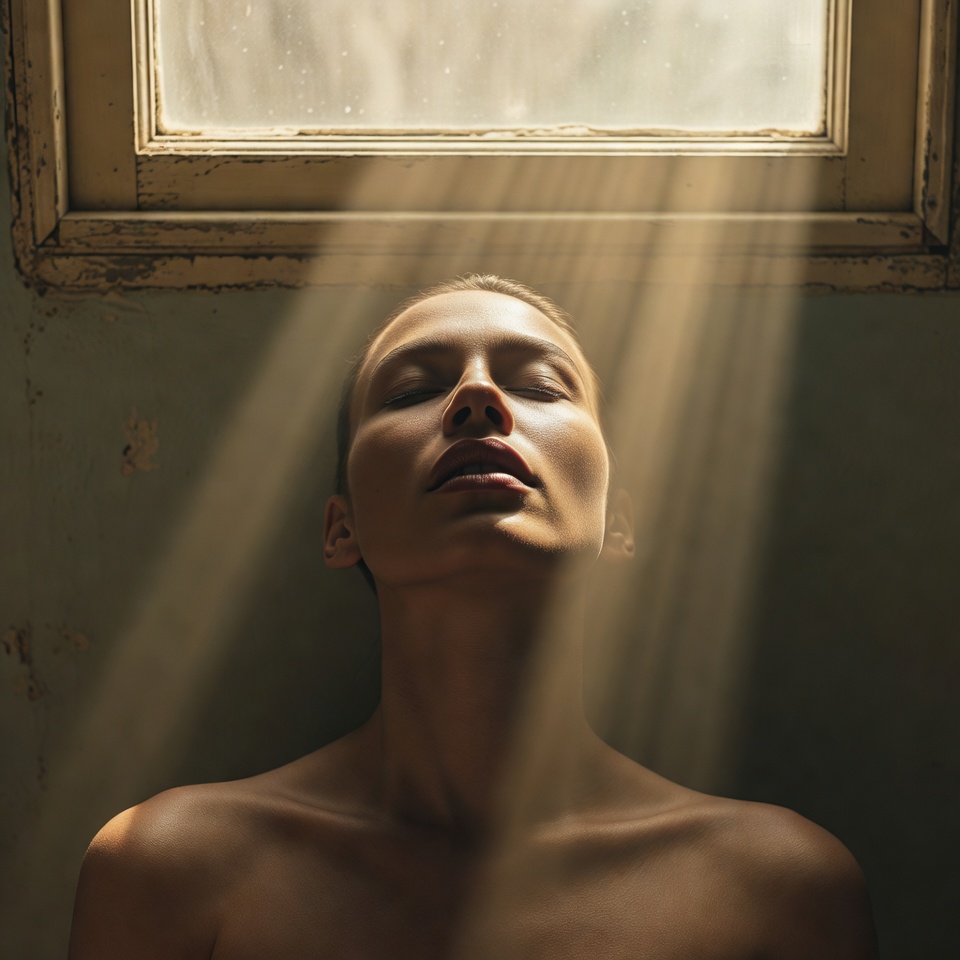
Vintage 70s Film is a tactile aesthetic: warm emulsions, gentle halation around highlights, and a softness that feels chemical rather than digital. When you push that through a Close-Up Macro, the effect becomes intimate skin, eyelashes, and micro-textures read like a memory you can almost touch.
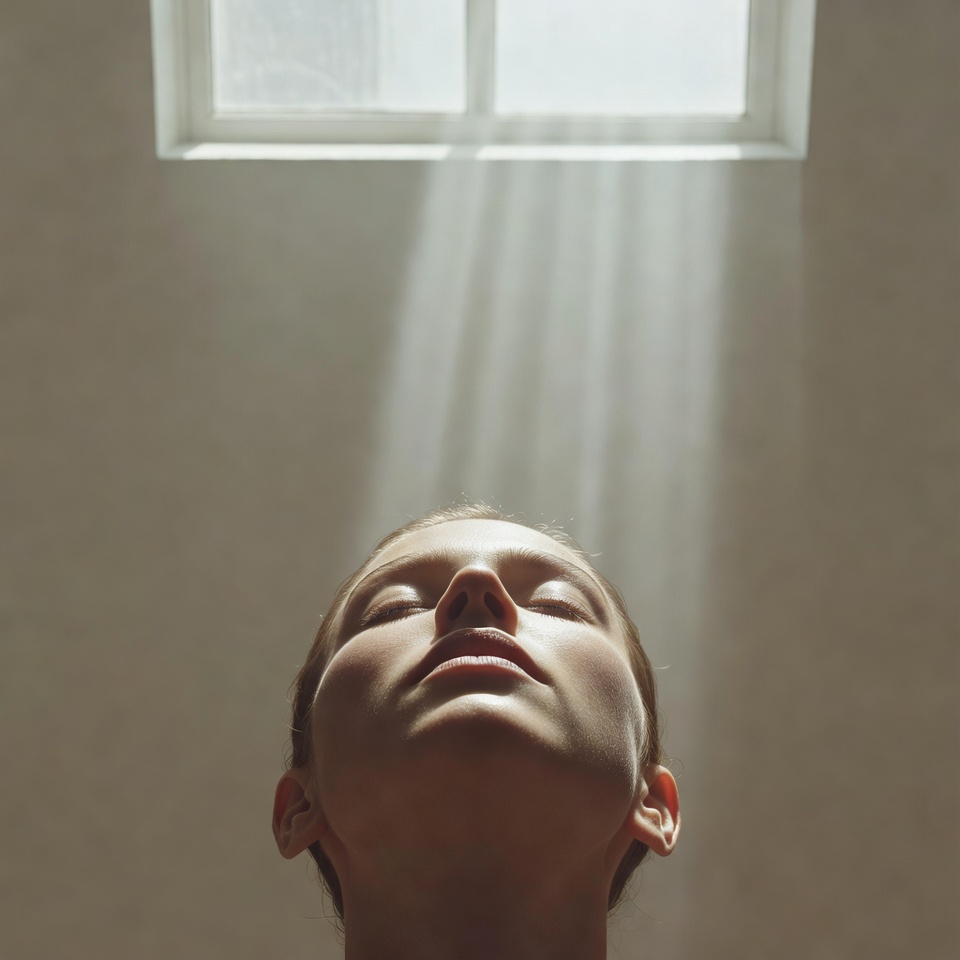
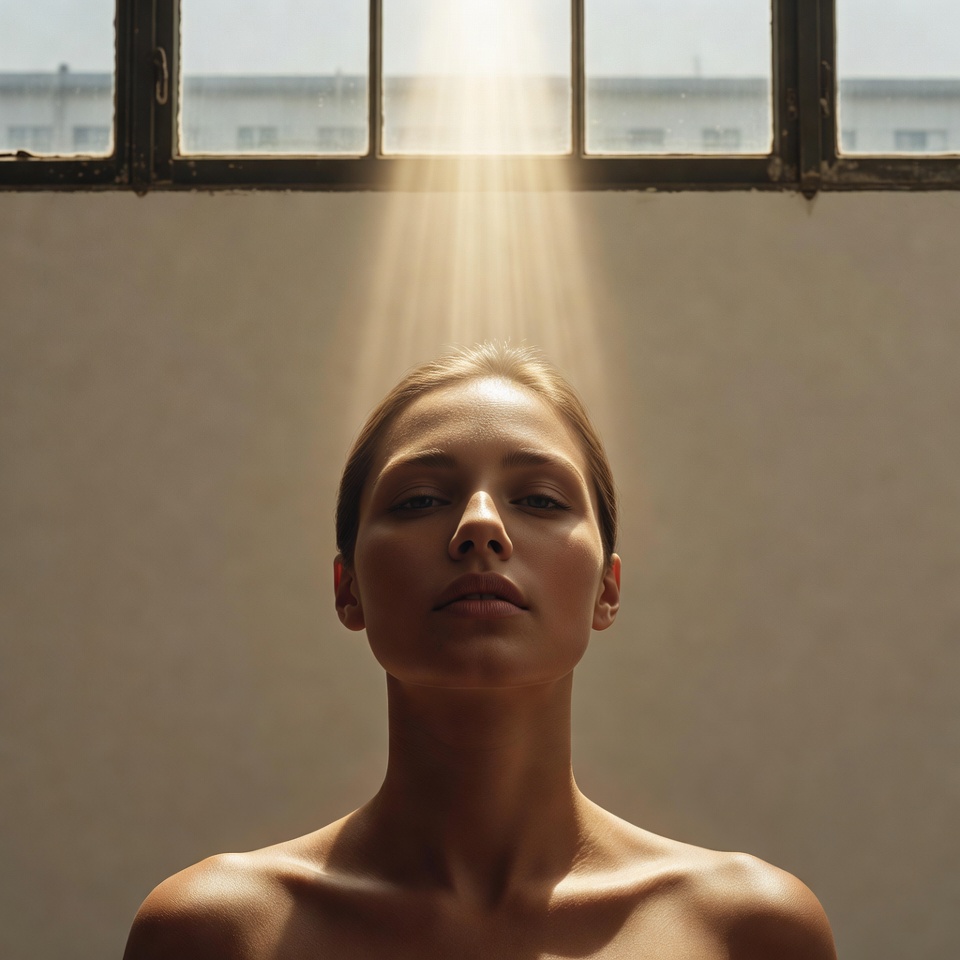
Now introduce God Rays (Volumetric) and the image stops behaving like a flat photograph. Light becomes atmosphere visible beams drifting through haze, turning space into something sacred and weightless. Pair that with Minimalist composition and you get the purest form of Ethereal: not fantasy clutter, but controlled emptiness where grain, glow, and light geometry do all the storytelling.
2. The Master Prompt (Copy-Paste Ready)
3. Anatomy of the Shot (Technical Deep Dive)
Why this Lighting: God Rays (Volumetric)
Volumetric beams require a medium mist, dust, haze so the light becomes visible:
- Depth realism: beams create layered distance even in minimalist scenes.
- Directional guidance: rays act like compositional arrows, guiding the eye to the face.
- Ethereal physics: when highlights bloom through haze, it suggests transcendence without needing surreal props.
Control note: Ethereal is about coherence. You want a few clean beams, not a chaotic spotlight lattice.
Why this Angle: Close-Up Macro
Macro close-ups intensify the dreamlike film qualities:
- Halation becomes noticeable around bright edges (classic 70s feel).
- Shallow depth-of-field isolates eyes/lips, making the image feel intimate and floating.
- Texture becomes narrative grain + skin + haze together produce “memory logic.”
If macro outputs skew too sharp or “clinical,” add “soft focus” or “diffusion filter” as gentle modifiers.
Why this Composition: Minimalist
Minimalism is what prevents ethereal from turning into “fantasy wallpaper”:
- It gives volumetric rays space to breathe.
- It prevents 70s color casts from fighting multiple props.
- It keeps the viewer anchored on expression, not decoration.
In practice: one subject, one beam direction, one clean background plane.
4. Color Palette & Aesthetics
Recommended Color Palette: Warm Cream + Honey Amber + Faded Olive
- Cream highlights with slight yellow warmth (film emulsion feel)
- Amber beams with soft bloom
- Olive/khaki shadows for authentic 70s tonality
Textures to expect (and encourage):
- Film grain (visible but fine)
- Highlight halation / bloom (especially around rays)
- Soft haze diffusion
- Matte fabrics (cotton, linen) to keep speculars controlled
5. Pro Tips for Refinement
Tip 1 (Stylization / “film truth” tuning):
- Midjourney:
- More authentic film realism:
--stylize 100–200+ add “film halation, subtle bloom.” - More dreamy ethereal:
--stylize 250–450+ add “diffusion glow,” but watch for plastic skin.
- More authentic film realism:
- Stable Diffusion:
- Keep the face stable with
cfg_scale ~ 4.5–7. - Add “film grain, halation, diffusion” and avoid overly high CFG (it can harden rays into unnatural lines).
- Keep the face stable with
Tip 2 (Subject matter that sells 70s ethereal):
- Styling: natural hair, minimal makeup, soft lip color, gentle highlight not glossy chrome.
- Expression: calm, distant gaze; relaxed mouth; minimal tension.
- Wardrobe: cream/ivory/olive tones, simple collar lines, no busy patterns.
6. FAQ (Rich Snippet Optimized)
Q: Can I use this prompt for Vintage 80s instead of 70s?
A: Yes swap “Vintage 70s Film” for “Vintage 80s film” and push cooler shadows plus stronger contrast while keeping volumetric rays for atmosphere.
Q: What creates the Ethereal feeling in this shot?
A: Ethereal comes from visible light volume (god rays + haze), minimalist reduction (no clutter), and film-era bloom/grain that makes the image feel like a luminous memory rather than a digital render.