1. The Artistic Vision
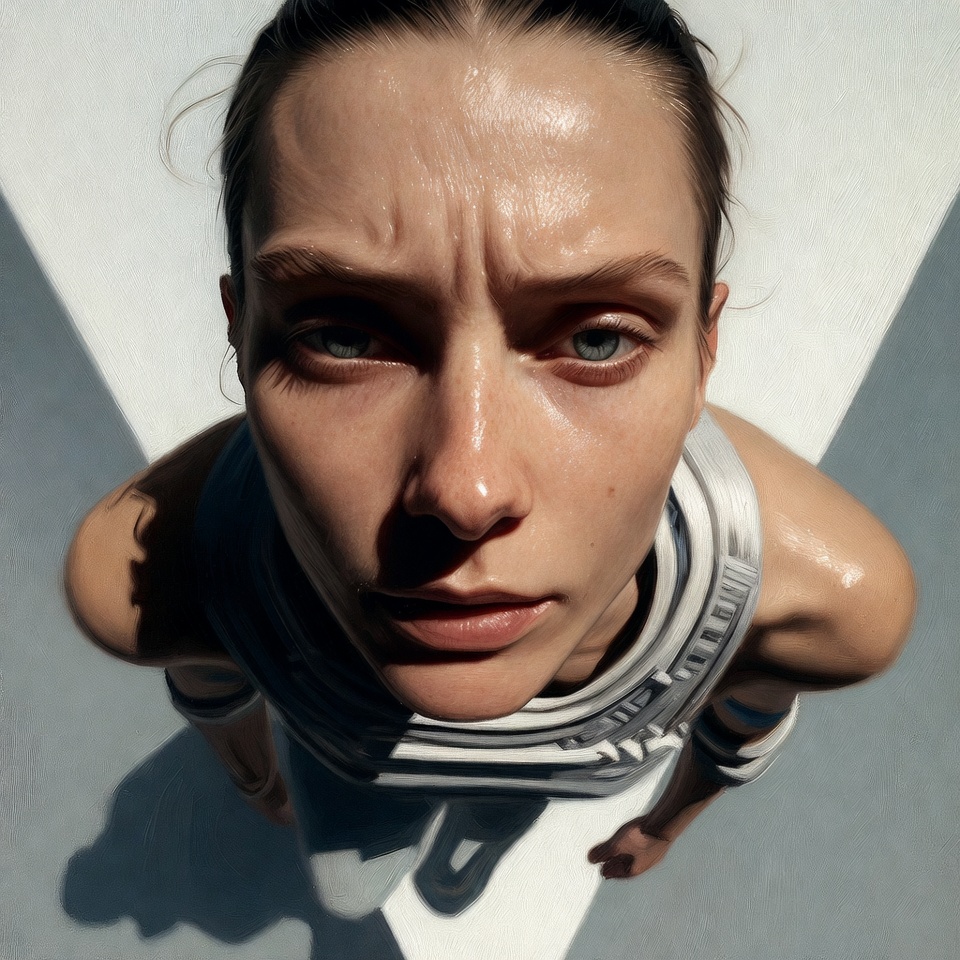
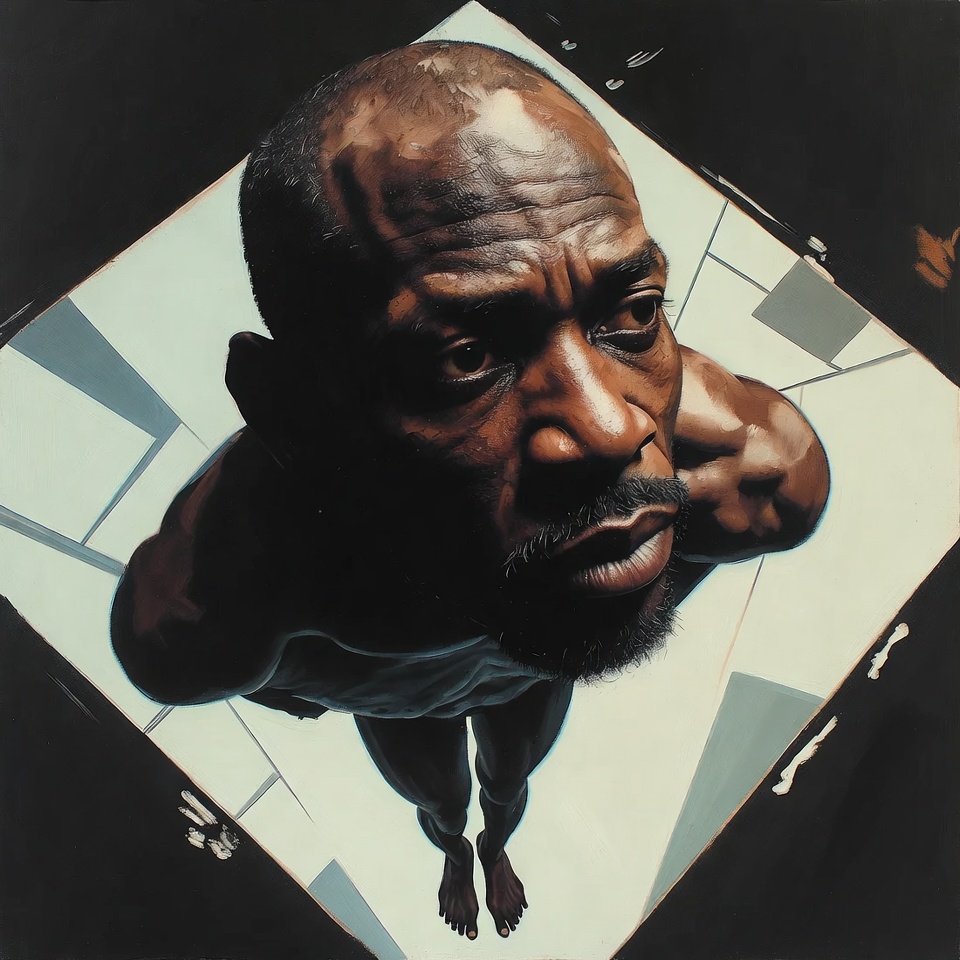
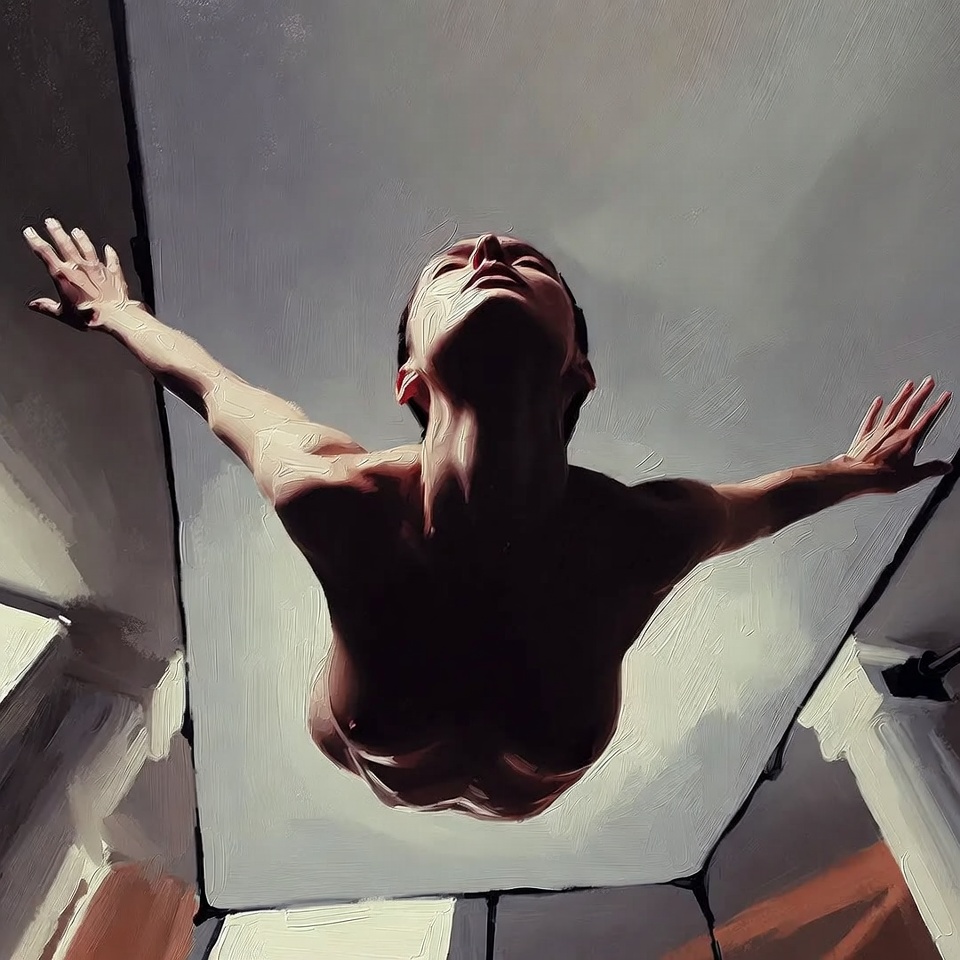
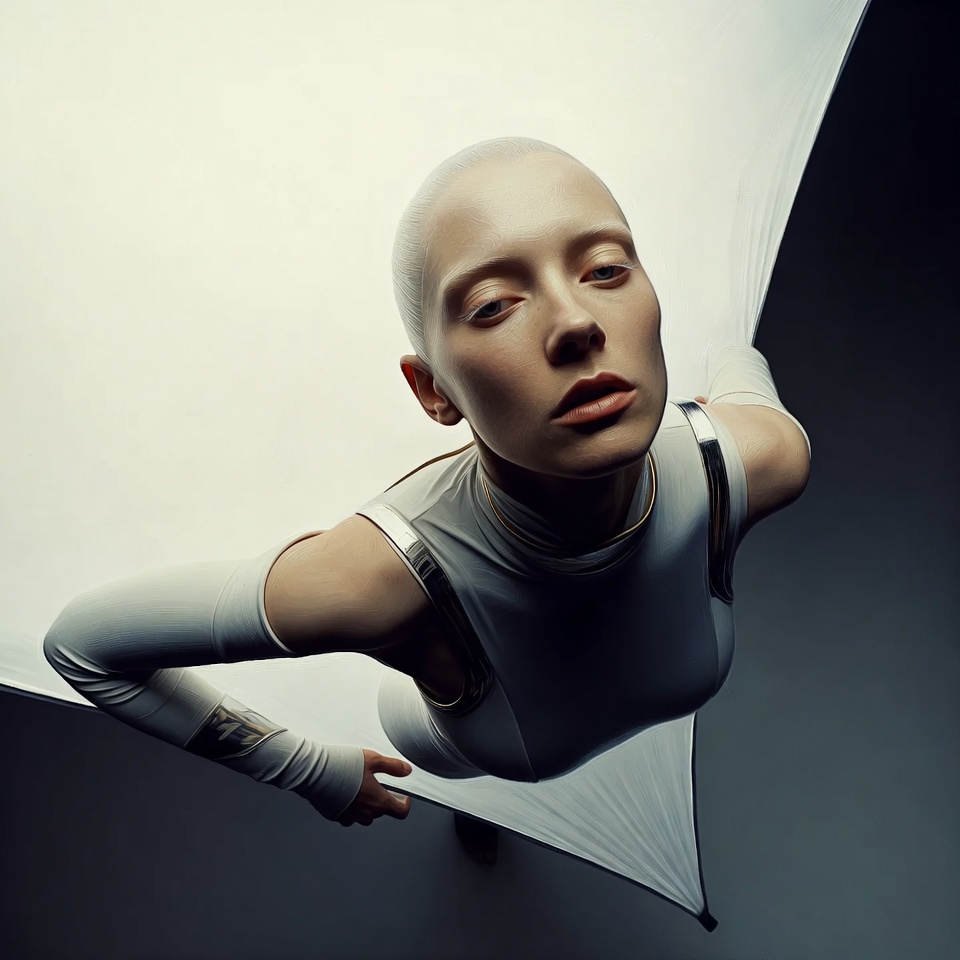
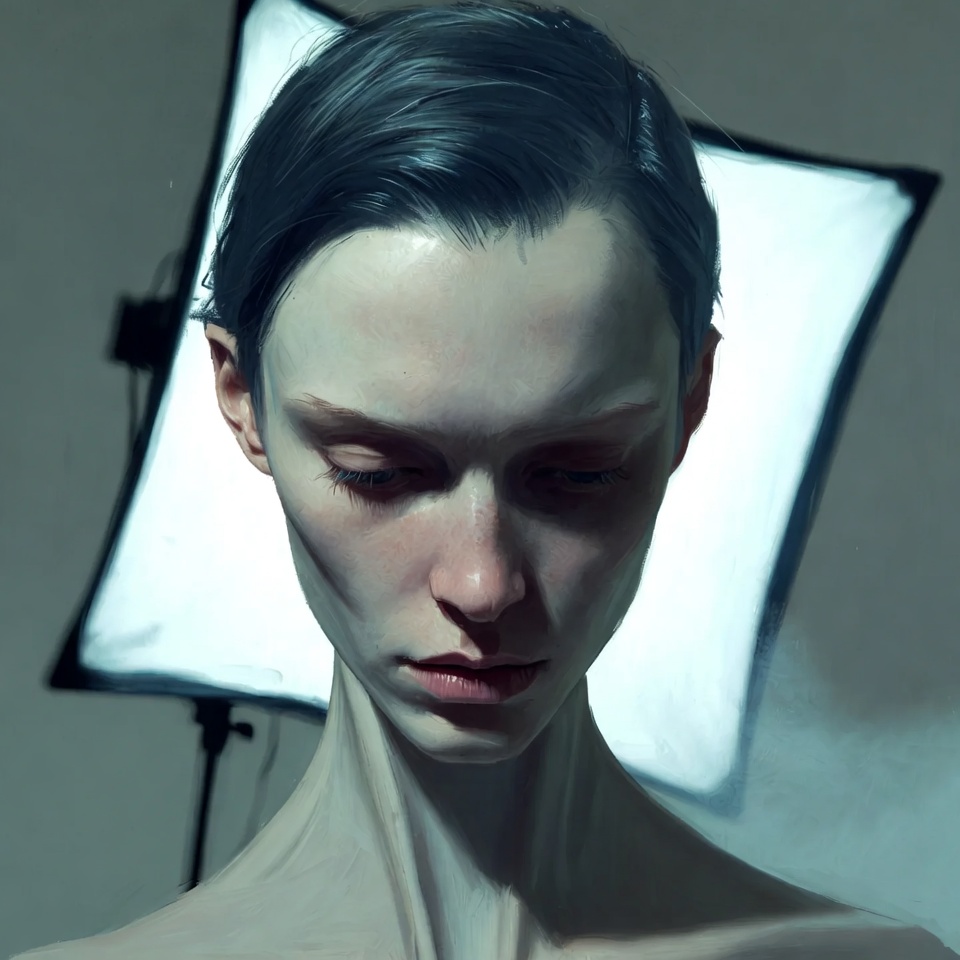
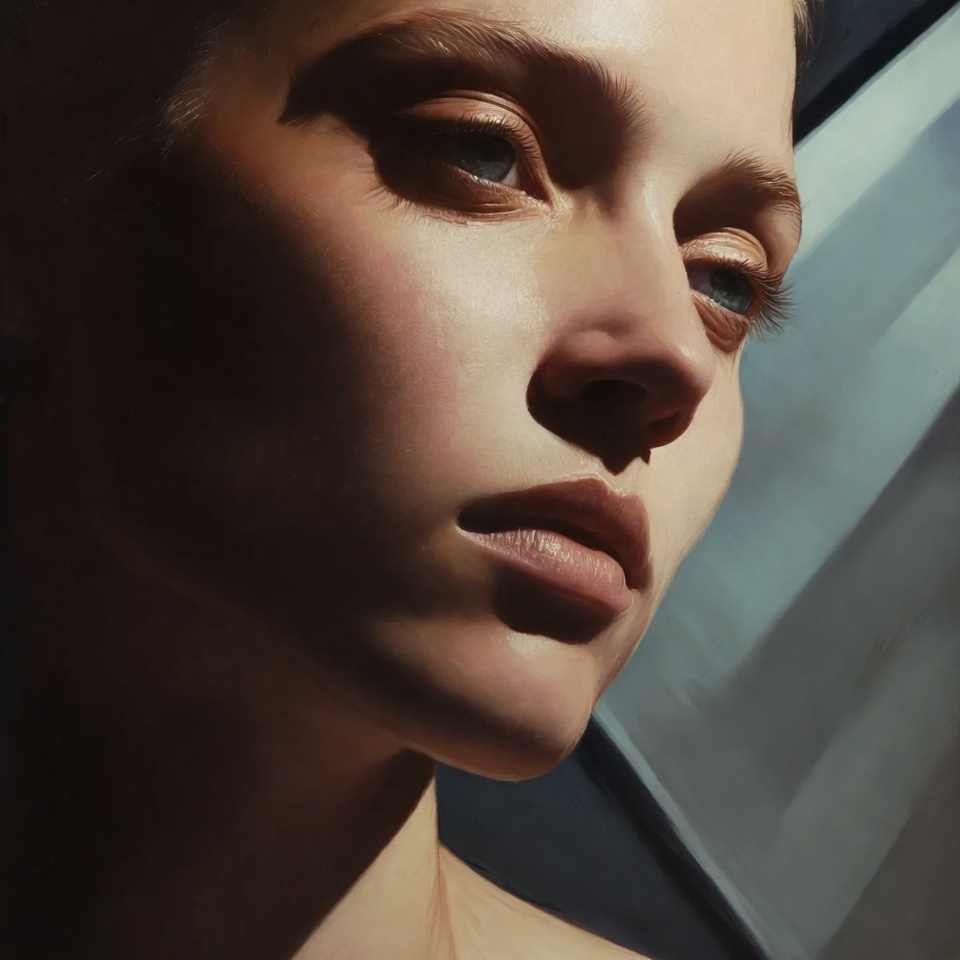
Oil Painting Style is traditionally associated with heritage weighty pigments, deliberate brushwork, classical anatomy. Pair it with Softbox Diffusion, and you get a modern painter’s dream: broad, velvety tonal transitions that mimic wet-on-wet blending and glazing. Then comes the twist Futuristic directionality. This is how you build an image that feels like a museum piece recovered from tomorrow.
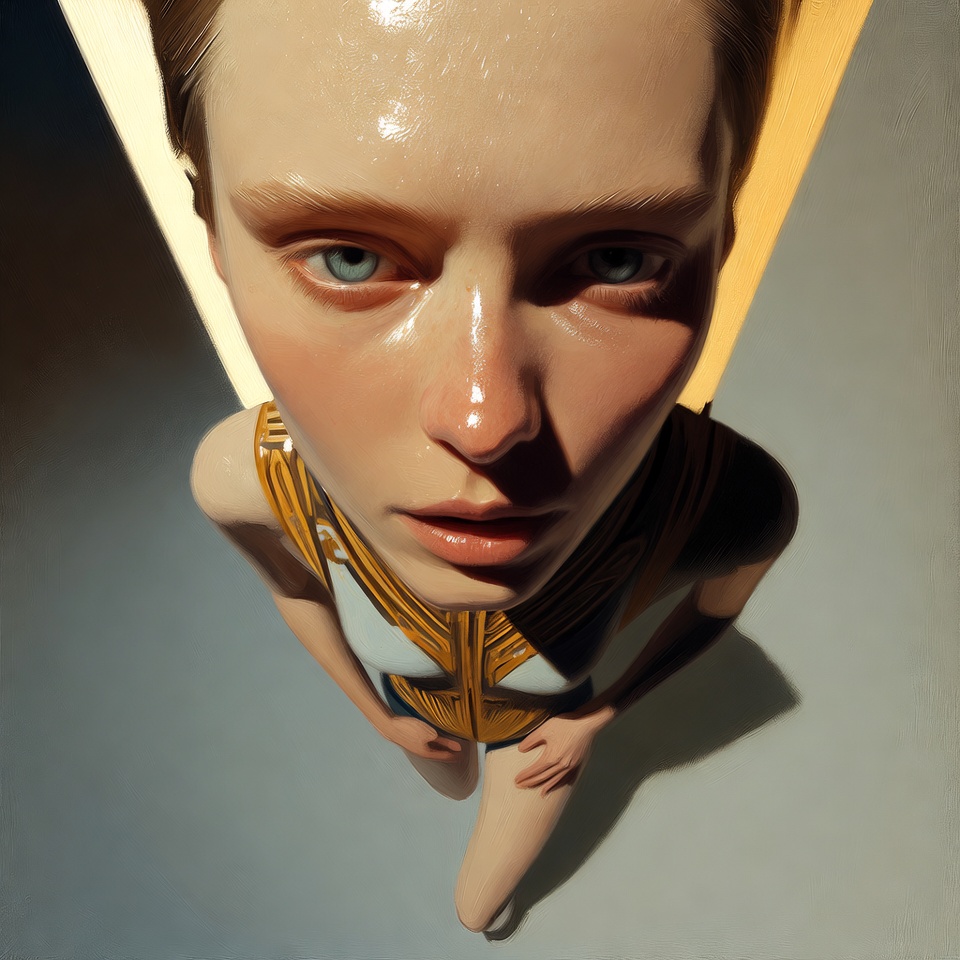
A High Angle viewpoint subtly de-centers the subject’s dominance, creating an observational, almost archival quality like you’re studying a future icon through a curator’s lens. With Triangle Composition, the portrait gains structural authority: a stable geometric scaffold that prevents painterly softness from turning vague, and gives futurism a sense of engineered intent.
2. The Master Prompt (Copy-Paste Ready)
3. Anatomy of the Shot (Technical Deep Dive)
Why this Lighting: Softbox Diffusion
Softbox Diffusion is essentially controlled softness broad source size, gentle falloff, and minimal specular harshness. In oil-painting aesthetics, it excels because:
- Brushwork believability: Diffused light produces smooth gradients across cheeks, forehead, and fabric folds exactly the tonal behavior oil painters create through blending and glazing.
- Reduced “plastic shine”: Harsh highlights can break painterly realism; softboxes keep highlights wide and subtle, letting texture read as pigment rather than CGI gloss.
- Form-first modeling: The face reads via value structure (light-to-dark mapping) rather than micro-specular detail very “classical portrait” in method.
To tilt it futuristic, you’re relying on styling cues, shape language, and color temperature contrasts rather than sharp, neon lighting. That’s a sophisticated choice: future via design, not via gimmick.
Why this Angle: High Angle
A High Angle portrait changes power dynamics:
- Curatorial distance: The viewer feels like an observer with context, not a participant in confrontation useful when futurism is conceptual and painterly.
- Enhanced geometry: High angles emphasize shoulder lines, collar structures, and garment architecture ideal for futuristic silhouettes.
- Quiet authority: The subject can feel “iconic” without feeling aggressive, which pairs well with oil painting’s dignified cadence.
Why this Composition: Triangle Composition
Triangle Composition is the backbone of countless master paintings for a reason it’s stable, readable, and inherently hierarchical.
- Primary apex: Often the face/eyes.
- Secondary points: shoulders, hands, or a strong costume feature.
- Visual rhythm: The eye cycles through the triangle repeatedly, which makes painterly texture feel intentional rather than random.
For futuristic portraits, triangle composition also reads as engineered structure a design principle embedded in the frame.
4. Color Palette & Aesthetics
Recommended Color Palette (Futuristic Oil Painting):
- Ivory Warmth (#F2E8D8) for classical base tones
- Carbon Umber (#2A1F1A) for depth and grounding
- Oxidized Copper (#A46B4A) for metallic futurism without neon
- Iridescent Teal (#2C8C8A) as a restrained “tomorrow” accent
Optional highlight tone: Pale Silver (#C9CDD1) for tech materials and jewelry cues
Textures to expect:
- Visible brush strokes (directional, layered)
- Canvas tooth / pigment granularity
- Soft varnish-like sheen (controlled, not glossy)
- Fabric reads as painted planes rather than photo-fiber detail (a desirable painterly effect)
5. Pro Tips for Refinement
Tip 1 (Stylization tuning for painterly control):
- If the output becomes too photographic, increase stylization: –stylize 300–500 to push brushwork and painterly abstraction.
- If the face loses structure or becomes muddy, reduce stylization: –stylize 150–250 and add a constraint like “clear facial planes” (optional) to preserve anatomy.
(Stable Diffusion equivalent: use a painterly model/LoRA; keep cfg_scale moderate, and avoid over-denoising which can destroy brush texture coherence.)
Tip 2 (Subject matter that sells “Futuristic” in oils):
- Wardrobe: high-collar garments, geometric armor-like fashion, minimal seams, controlled metallic trims.
- Accessories: asymmetrical earrings, clean visor-like headpiece, subtle circuit motifs (tasteful, not literal text).
- Pose: hands forming a secondary triangle point (hand near collarbone, or one hand resting gently) increases classical credibility.
6. FAQ (Rich Snippet Optimized)
Q: Can I use this prompt for “Renaissance Painting Style” instead of Oil Painting Style?
A: Yes swap the style term and keep softbox diffusion + triangle composition; those are historically compatible structures that translate well into Renaissance-inspired staging.
Q: What creates the Futuristic feeling in this shot?
A: Futurism is created by design language (geometric wardrobe, metallic accents), reinforced by high-angle perspective and the engineered stability of triangle composition, while softbox diffusion preserves painterly realism through smooth tonal modeling rather than harsh modern highlights.