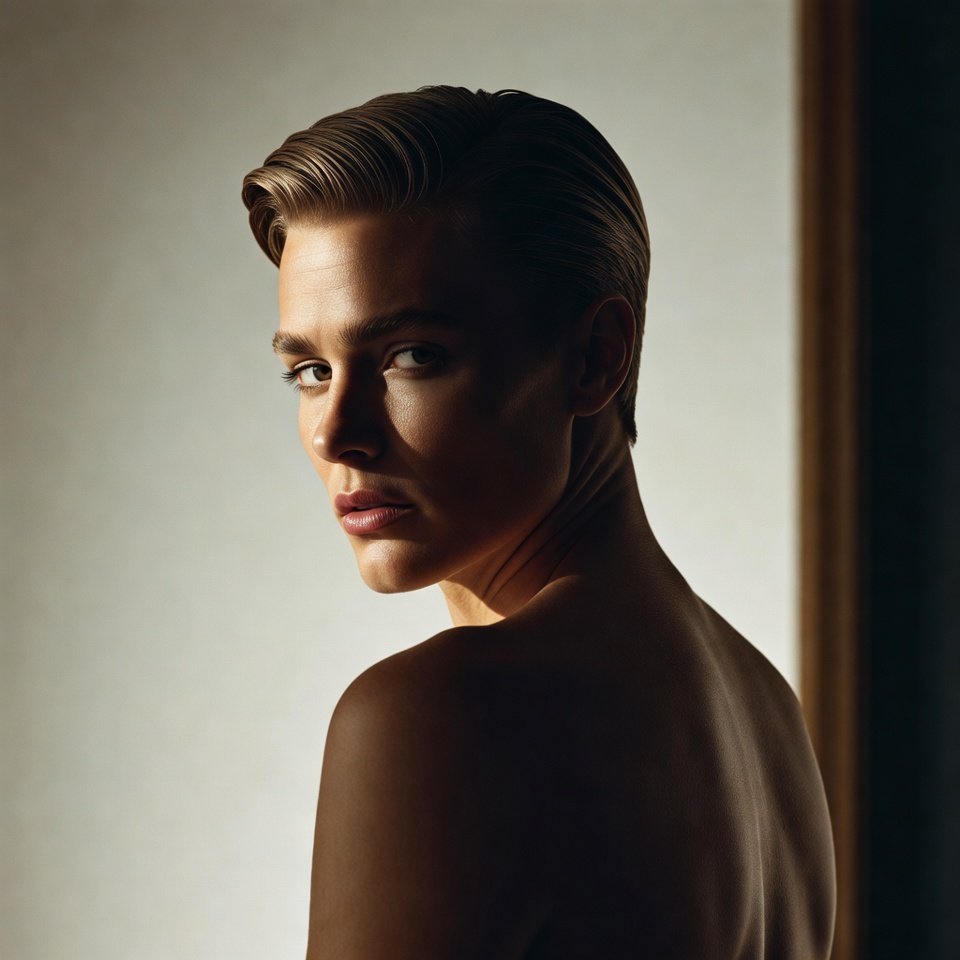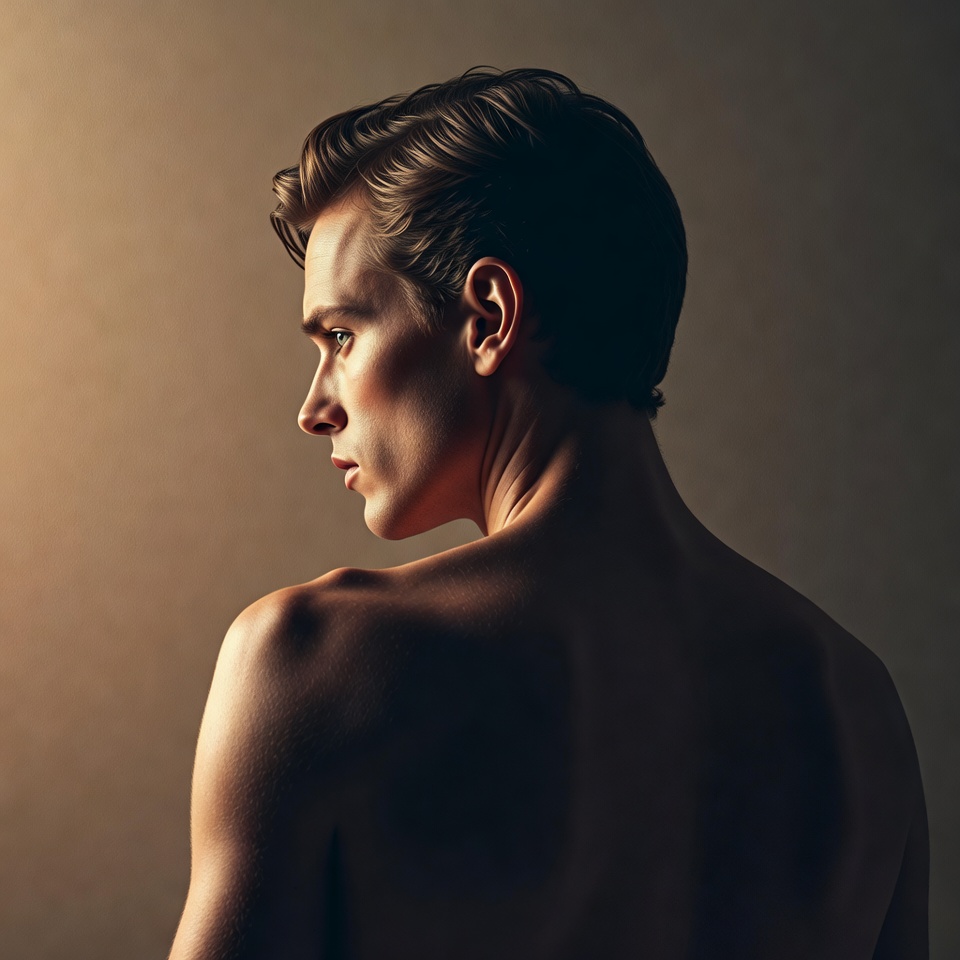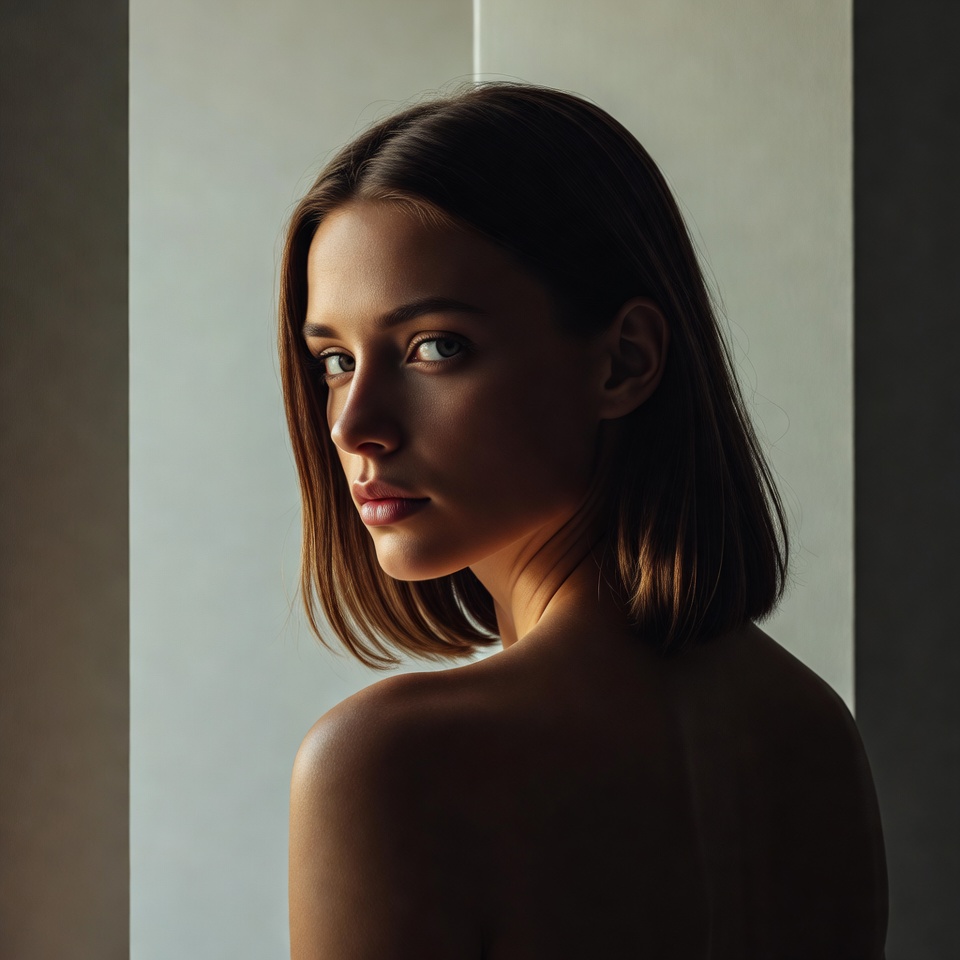
1. The Artistic Vision
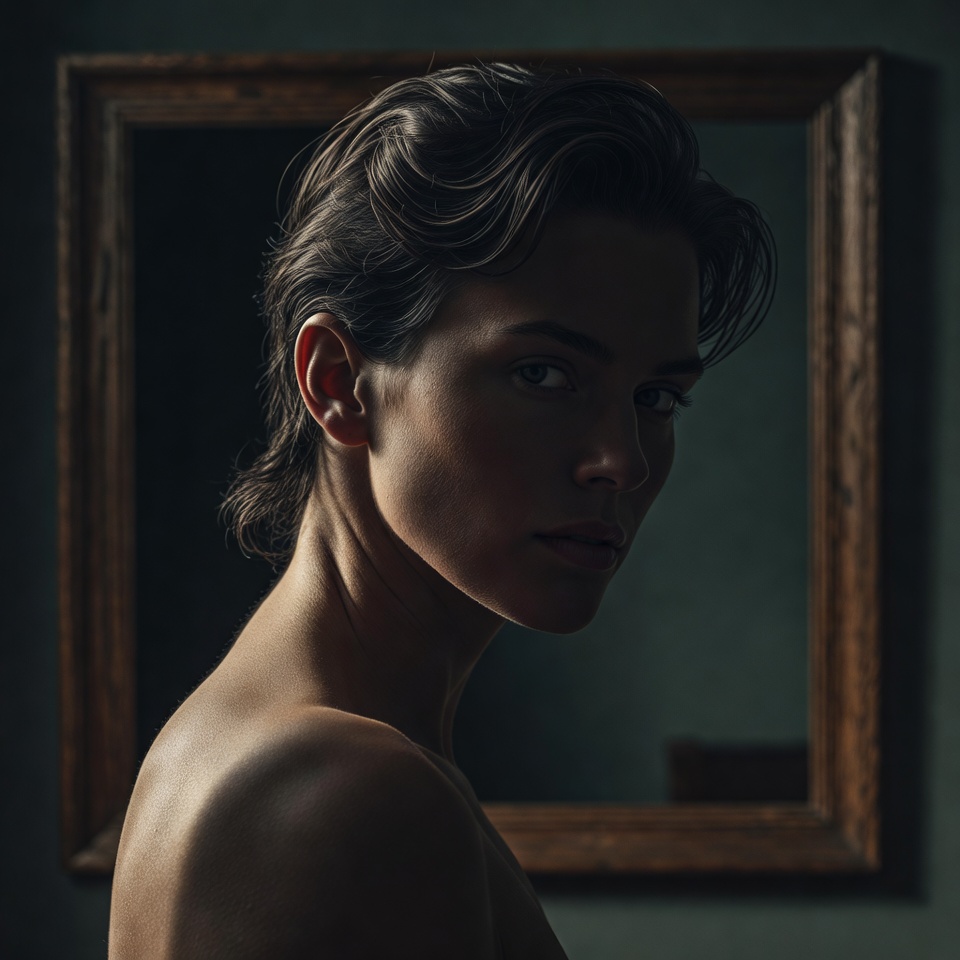
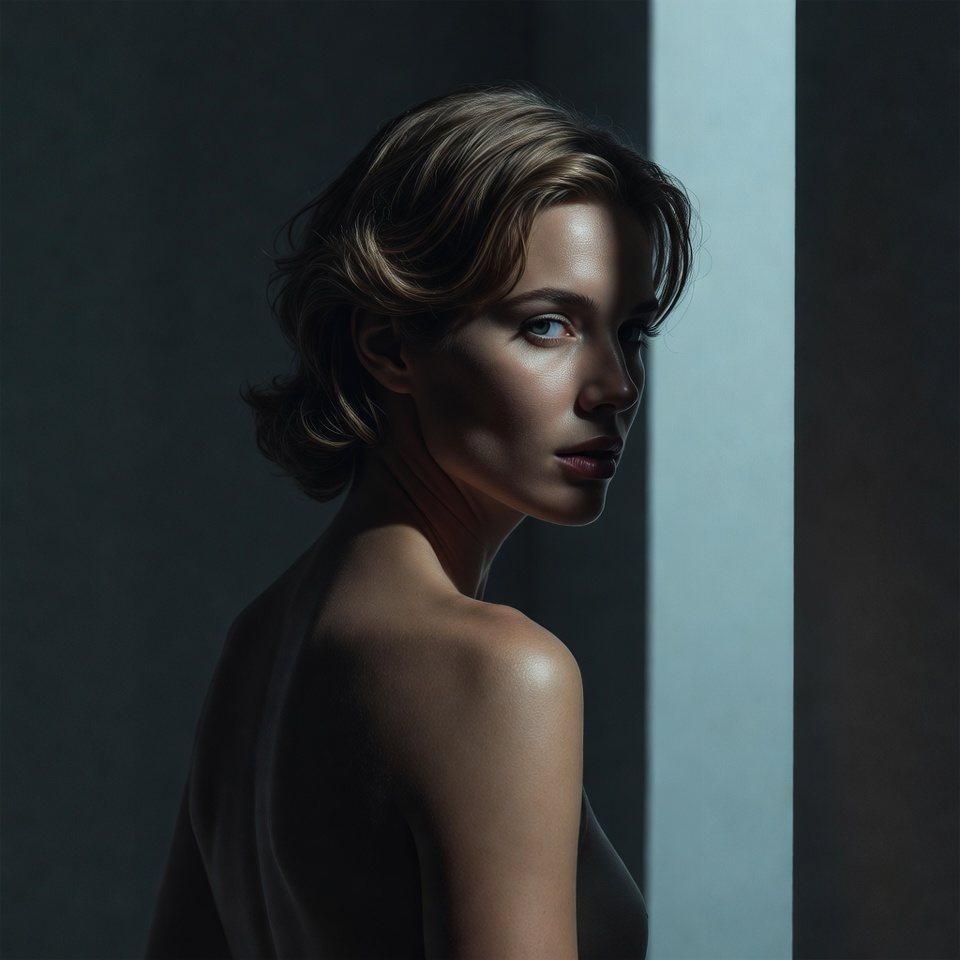
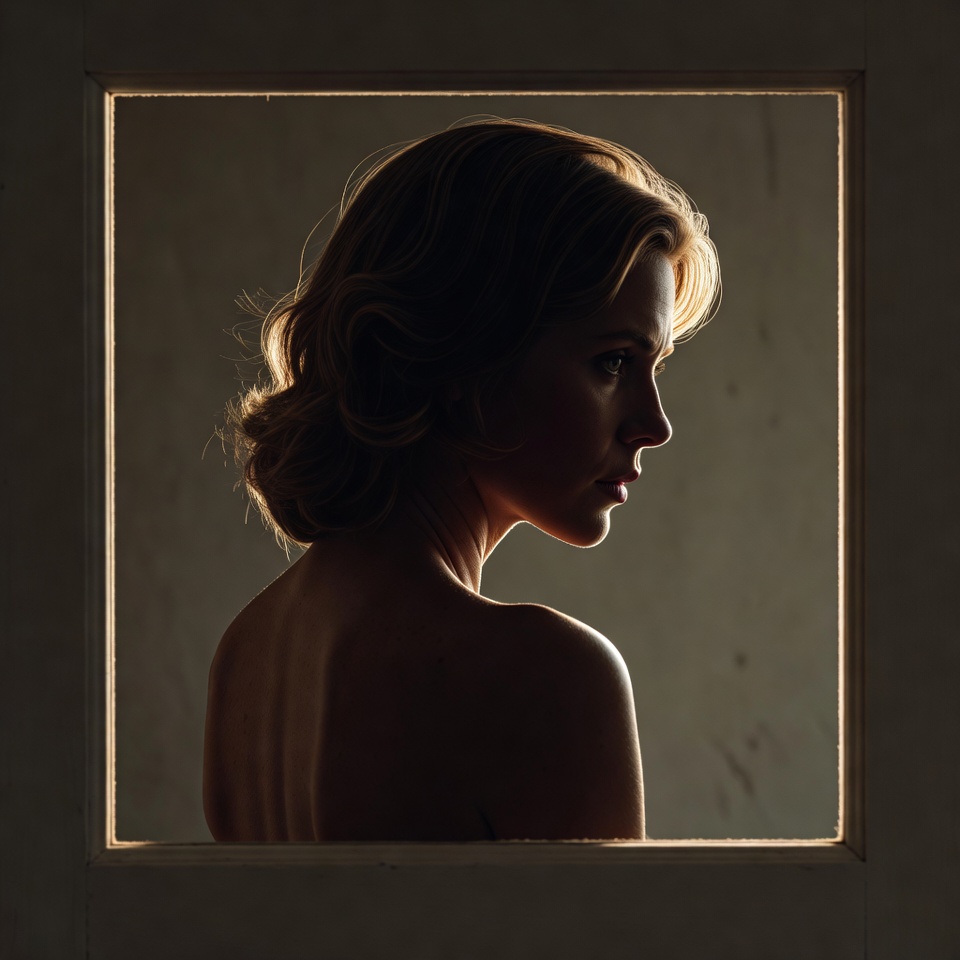
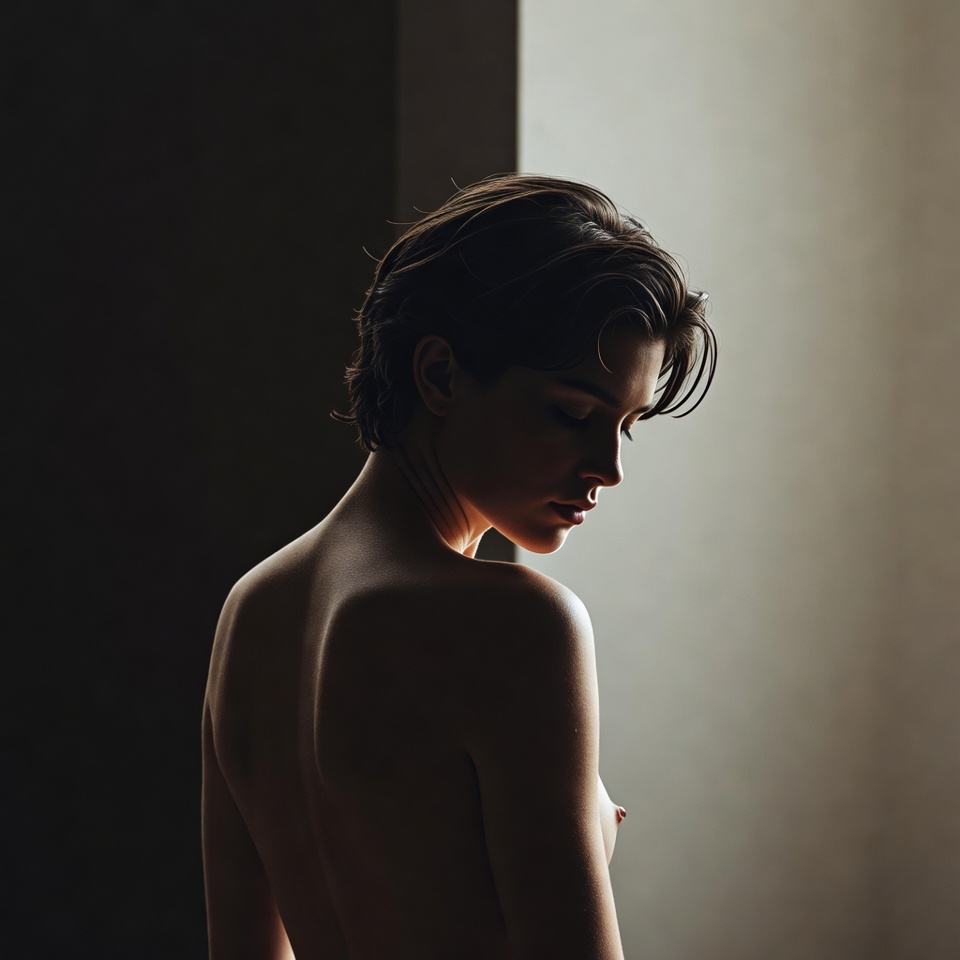
Western Movie Style is built on mythic silhouettes, hard decisions, and environments that feel bigger than the character until the character finally moves. When you combine that language with Split Lighting, you introduce a ruthless duality: one side revealed, one side withheld. Then you turn the subject Back View, and the portrait stops being about identity and becomes about intention. The viewer isn’t invited to connect they’re forced to investigate.
Layer in Frame within a Frame, and you get classic frontier voyeurism: the feeling of watching someone through a saloon doorway, a barn window, or the shadow gap of a swinging gate. The mood lands as Mysterious because the composition and lighting both weaponize omission what you don’t show becomes the narrative.
2. The Master Prompt (Copy-Paste Ready)
Midjourney / Stable Diffusion Formula:
3. Anatomy of the Shot (Technical Deep Dive)
Why this Lighting: Split Lighting
Split lighting places the key light so that the face (or head) is divided into a bright half and a shadow half. Even in a back-view setup, it still functions beautifully because it can “split”:
- the hat brim + neck line,
- the shoulder planes,
- the edge of the jaw/cheek if there’s a slight head turn,
- the coat collar and hair silhouette.
Technically, it’s a high-contrast scheme that creates binary readability: known vs unknown. That’s why it’s a reliable engine for “mysterious.” In Western language, it reads like moral ambiguity lawman/outlaw, protector/threat.
Refinement idea: If the model over-darkens the subject, add “rim light” or “dusty bounce” as subtle modifiers. You keep the split but preserve texture in the shadow side.
Why this Angle: Back View
Back view converts the subject into a symbol:
- No facial cues = no immediate trust signal.
- The viewer reads wardrobe, posture, and environment as identity.
- Slight rotations (5–15°) become critical because they reveal just enough contour ear line, cheek edge, hat band to tease recognition.
To intensify the Western vibe, back view pairs best with iconic shapes: wide-brim hat, duster coat, bandana, gun belt silhouette (tasteful, non-graphic), or even just rugged outerwear with a strong collar line.
Why this Composition: Frame within a Frame
Frame within a frame is the compositional equivalent of a slow draw. It creates:
- tension through separation (viewer is “outside” the scene),
- depth staging (foreground frame → subject → background haze),
- a natural “Western set piece” feeling (doorway, window, stable gate, wagon canvas opening).
For maximum cinematic payoff, the inner frame should produce strong geometry verticals and horizontals like saloon door posts, barn slats, or a window crossbar so the figure reads like a cutout against light.
4. Color Palette & Aesthetics
Recommended Color Palette: Dusty Sepia + Smoke Blue + Warm Tungsten
- Sepia / sand tones for the Western base
- Smoke blue for shadow-side separation (adds modern neo-western edge)
- Warm tungsten highlights to keep it filmic and period-coded
Textures to expect (and encourage):
- Film grain (essential for “movie” credibility)
- Leather + worn denim/canvas micro-texture
- Airborne dust / haze for volumetric depth
- Weathered wood in the frame element (doorway, fence, window)
5. Pro Tips for Refinement
Tip 1 (Stylization):
- Midjourney:
- Want gritty realism? Drop to
--stylize 75–150and add “35mm film still” or “cinematic grain.” - Want mythic, poster-like Western drama? Raise to
--stylize 300–500and add “high-contrast chiaroscuro.”
- Want gritty realism? Drop to
- Stable Diffusion:
- For noir-ish split without losing wardrobe detail:
cfg_scale ~ 5–7and consider a slight prompt addition like “subtle fill from environment.”
- For noir-ish split without losing wardrobe detail:
Tip 2 (Subject Matter):
The back-view Western works best with subjects that have readable silhouette language:
- a lone traveler stance (weight shifted, one shoulder slightly forward),
- hat + coat for instant genre signaling,
- a minimal prop that implies story (rope coil, saddle, lantern silhouette) without turning the portrait into an object catalog.
6. FAQ (Rich Snippet Optimized)
Q: Can I use this prompt for Neo-Western or Modern Western?
A: Yes keep the same structure and add “neo-western” plus modern textures like “denim jacket, desert highway atmosphere” while retaining split lighting.
Q: What creates the Mysterious feeling in this shot?
A: The mystery is produced by identity denial (back view), moral duality (split lighting), and voyeuristic separation (frame within a frame) that positions the viewer as an observer, not a participant.