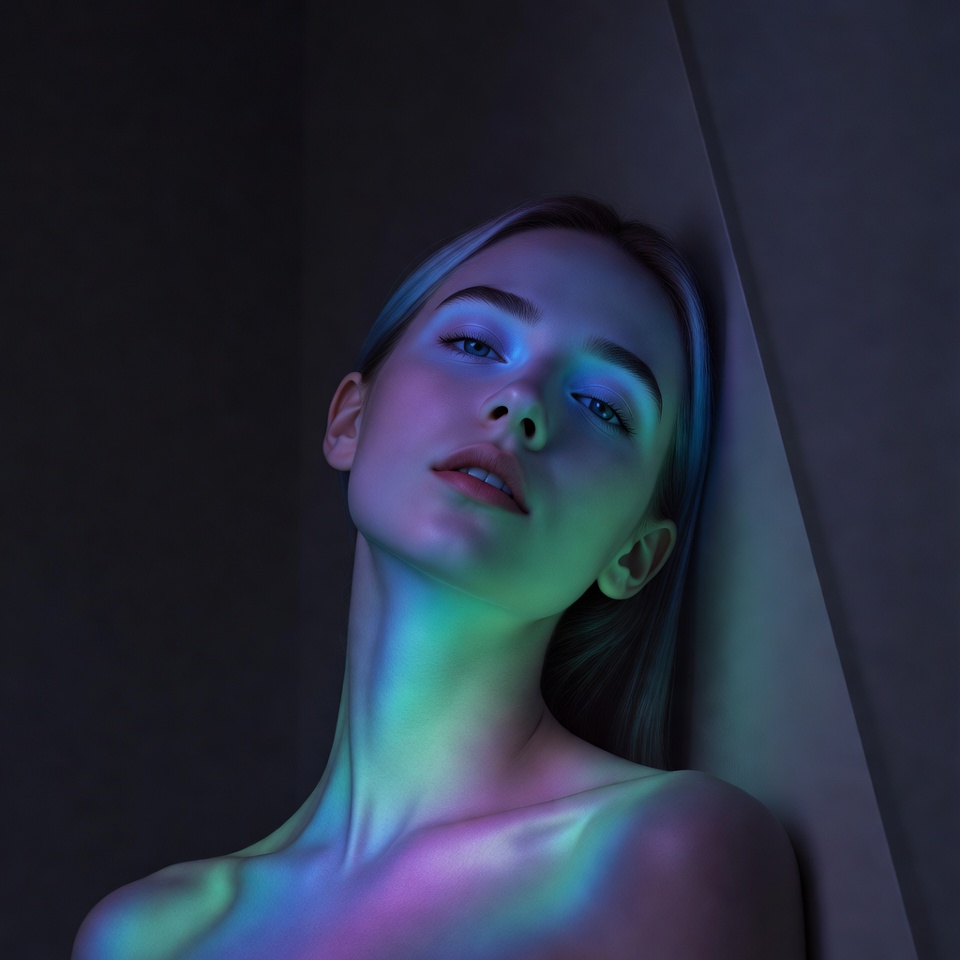
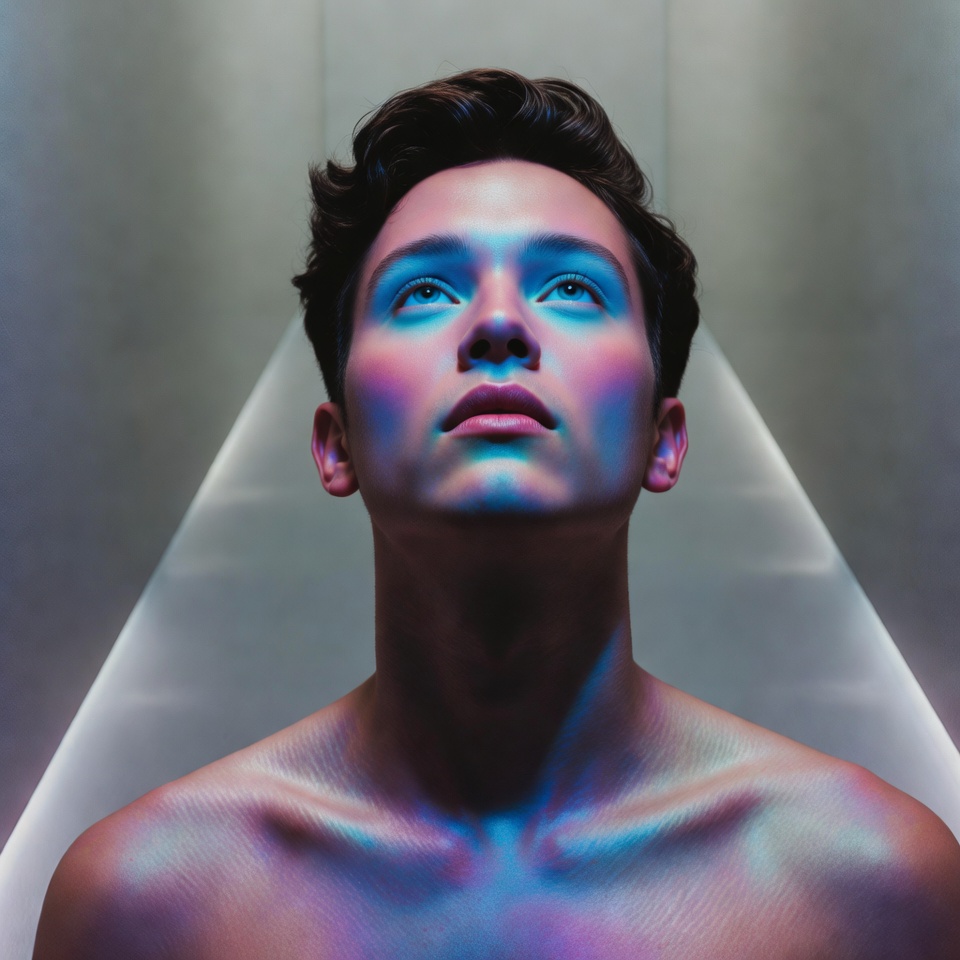
1. The Artistic Vision
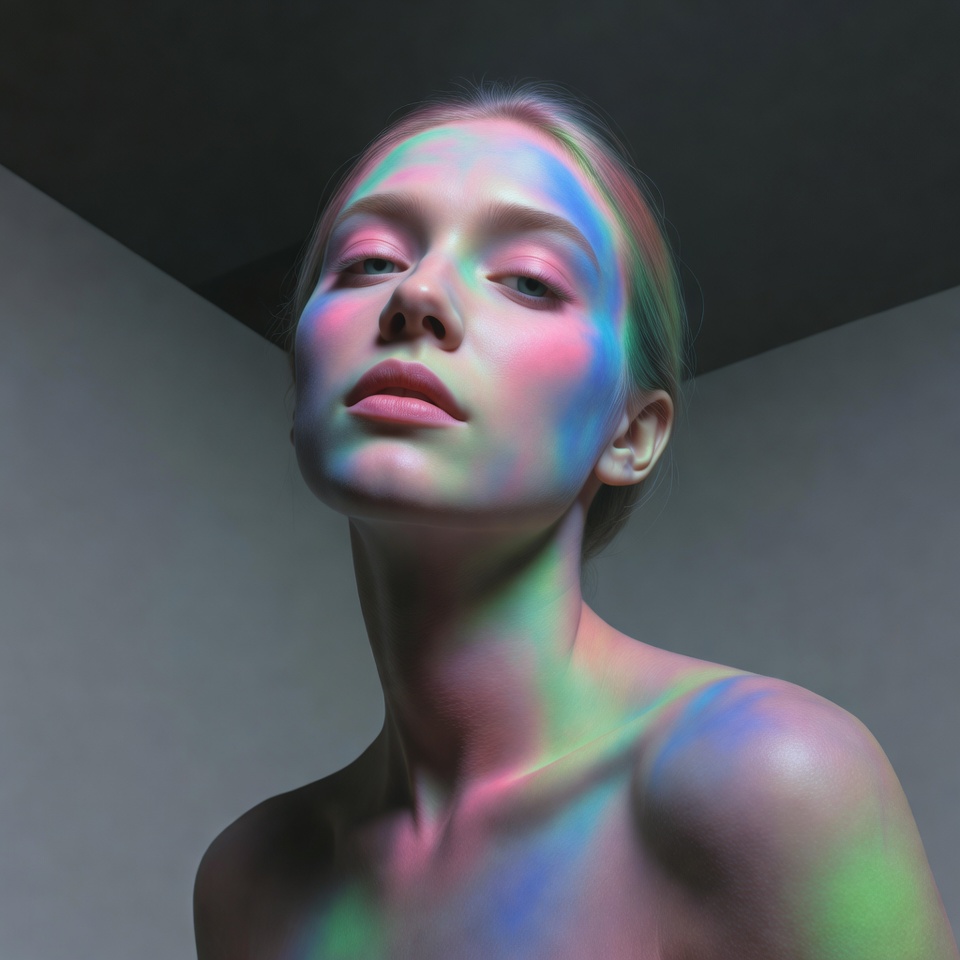
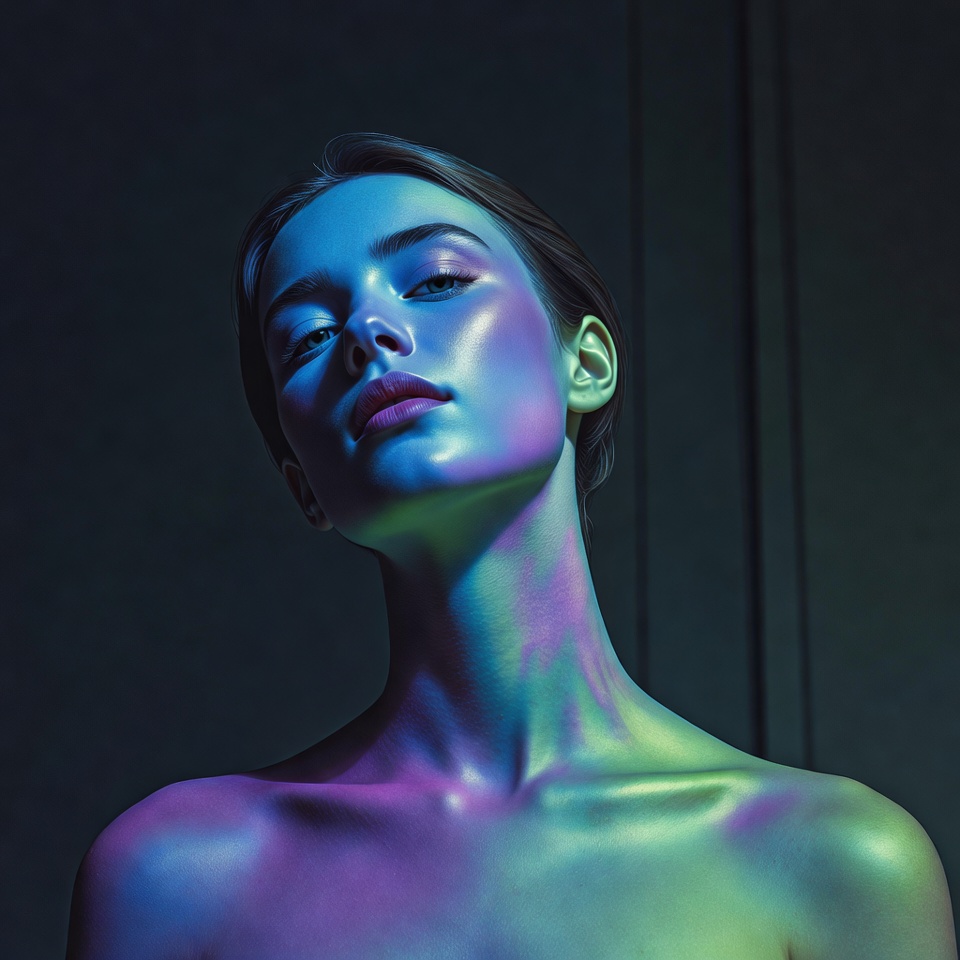
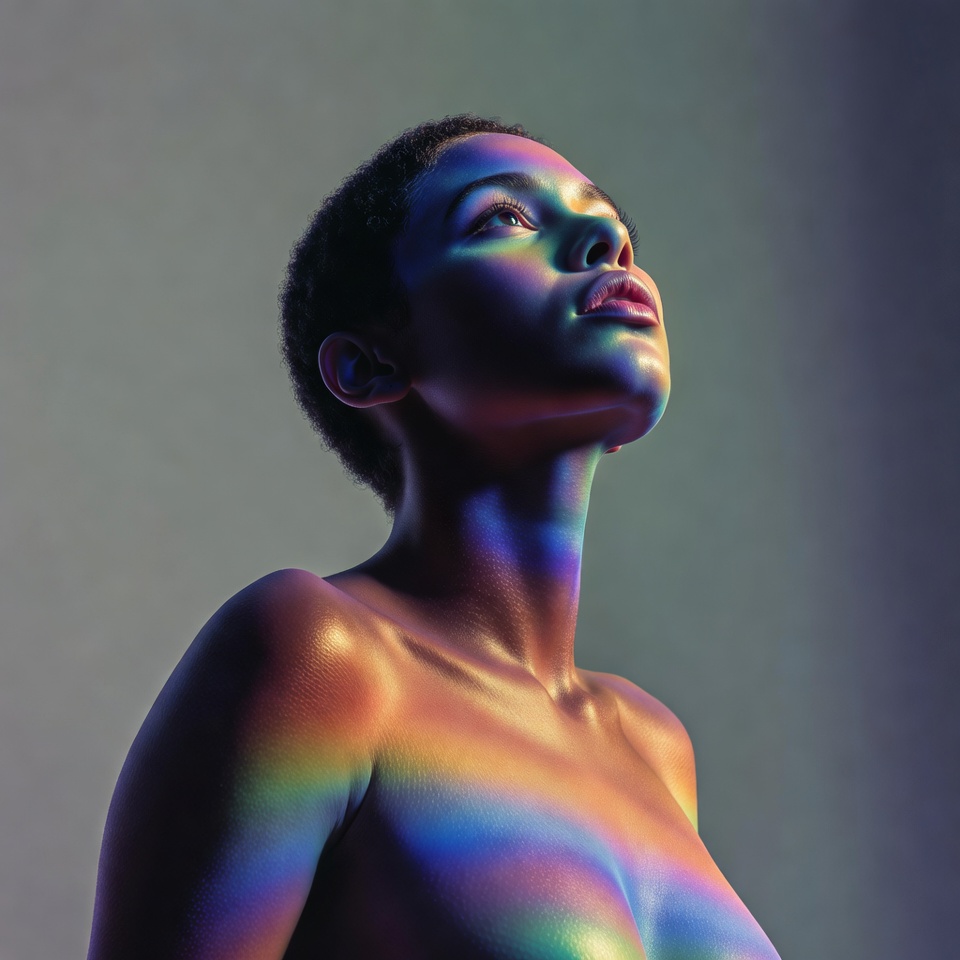
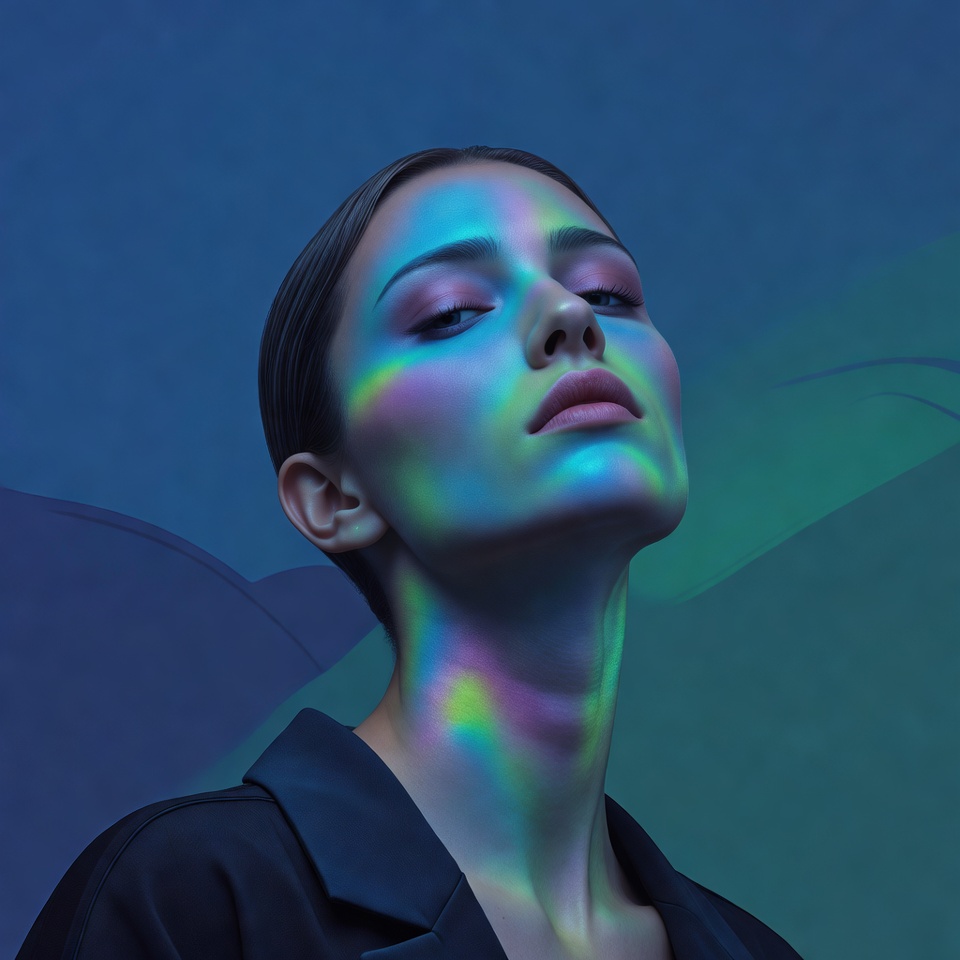
Technicolor is nostalgia with engineering: saturated primaries, luminous skin highlights, and color separation that feels theatrical like classic cinema where every hue was “decided,” not merely captured. When you fuse it with Bioluminescent Glow, you get a retro-future paradox: old-film vibrance powered by a living, spectral light source.
A Low Angle turns the subject into a monument, while Leading Lines pull the viewer through the frame with narrative velocity. The mood becomes Nostalgic not because the scene is soft, but because the palette and light behavior evoke remembered cinema stylized, deliberate, and emotionally loaded.
2. The Master Prompt (Copy-Paste Ready)
3. Anatomy of the Shot (Technical Deep Dive)
Why this Lighting: Bioluminescent Glow
Treat Bioluminescent Glow as self-emissive accent lighting rather than a conventional key:
- Spectral edge definition: cyan/teal glows create clean subject separation (jawline, hairline, shoulders).
- Controlled spill = premium: a thin halo reads “cinematic”; wide spill reads “neon costume.”
- Memory trigger: glow behaves like “movie magic” it suggests a source beyond the frame, which helps nostalgia feel mythic rather than literal.
For Technicolor compatibility, keep the glow structured: rim + small accent pools, not full-body wash. That preserves saturated primaries without turning skin radioactive.
Why this Angle: Low Angle
A Low Angle changes psychology immediately:
- Iconic elevation: the subject reads larger-than-life perfect for “classic cinema” vibes.
- Power with yearning: nostalgia often romanticizes heroes; low angle sells that romantic magnitude.
- Stronger leading lines: ground-plane lines (streets, rails, corridors) become more prominent and directional.
Technical note: low angles can exaggerate chins/nostrils if pushed too far. Keep the face near center and let the environment carry the angle language.
Why this Composition: Leading Lines
Leading Lines are visual choreography:
- They create directionality (where the viewer should go) and purpose (why the frame exists).
- They amplify Technicolor by giving color blocks a path warm-to-cool transitions feel like story beats.
- They support nostalgia by mimicking classic set design: stair rails, door frames, corridors, marquee lines.
Aim to have at least one dominant line converge toward the eyes/face region. That’s how you keep “editorial portrait” priority even with strong cinematic staging.
4. Color Palette & Aesthetics
Recommended Palette: Technicolor Primaries + Bioluminescent Teal
- Core Technicolor: Crimson Red / Canary Yellow / Cobalt Blue
- Glow accent: Teal-Cyan (sparingly, as rim or jewelry-like highlight)
- Neutrals: warm cream + deep ink shadows (to keep saturation readable)
Textures to Expect:
- Subtle film grain and gentle halation on highlights
- Clean, glossy speculars on eyes and reflective surfaces (adds “screen” polish)
- Slight color separation at edges (chromatic feel use lightly)
5. Pro Tips for Refinement
Tip 1 (Stylization / saturation control):
- Midjourney:
--stylize 250is a strong balance for Technicolor without cartooning.- If colors clip or look posterized: drop to
--stylize 100–150. - If you want more classic “movie color” punch: raise to
--stylize 300–450and add outside the five inputs cues like “classic cinema color grade” or “three-strip color look.”
- If colors clip or look posterized: drop to
- Stable Diffusion (CFG scale):
- Start CFG 5–7 for clean realism.
- If glow overwhelms skin or shifts it green/blue: lower CFG slightly and add “accurate skin tones, controlled glow spill.”
Tip 2 (Subject matter that sells nostalgic Technicolor):
- Wardrobe: bold, simple color blocks (red coat, blue suit, yellow accessory) outperform busy patterns.
- Props/shapes: anything with geometry for leading lines stairs, corridors, street markings, theater marquees.
- Expression: soft focus gaze or restrained smile reads nostalgic; avoid exaggerated “action face,” which fights the mood.
6. FAQ (Rich Snippet Optimized)
Q: Can I use this prompt for a retro sci-fi look?
A: Yes. Keep Technicolor as the palette base, and let bioluminescent glow imply futuristic tech. Add minimal retro-future cues (chrome, analog panels) without cluttering the frame.
Q: What creates the Nostalgic feeling in this shot?
A: Nostalgia comes from classic cinematic color logic + monumental perspective: Technicolor saturation feels era-coded, low angle mythologizes the subject, and leading lines guide the eye like a staged film set while the glow adds a poetic “memory light.”