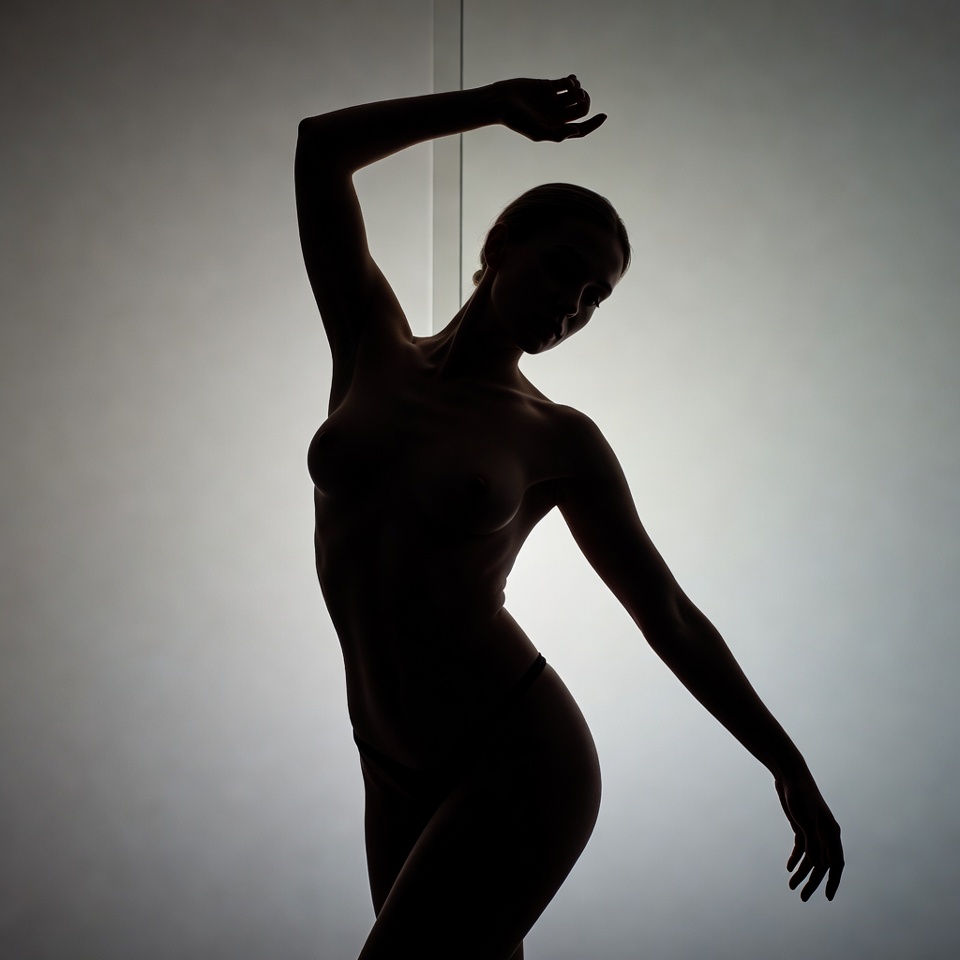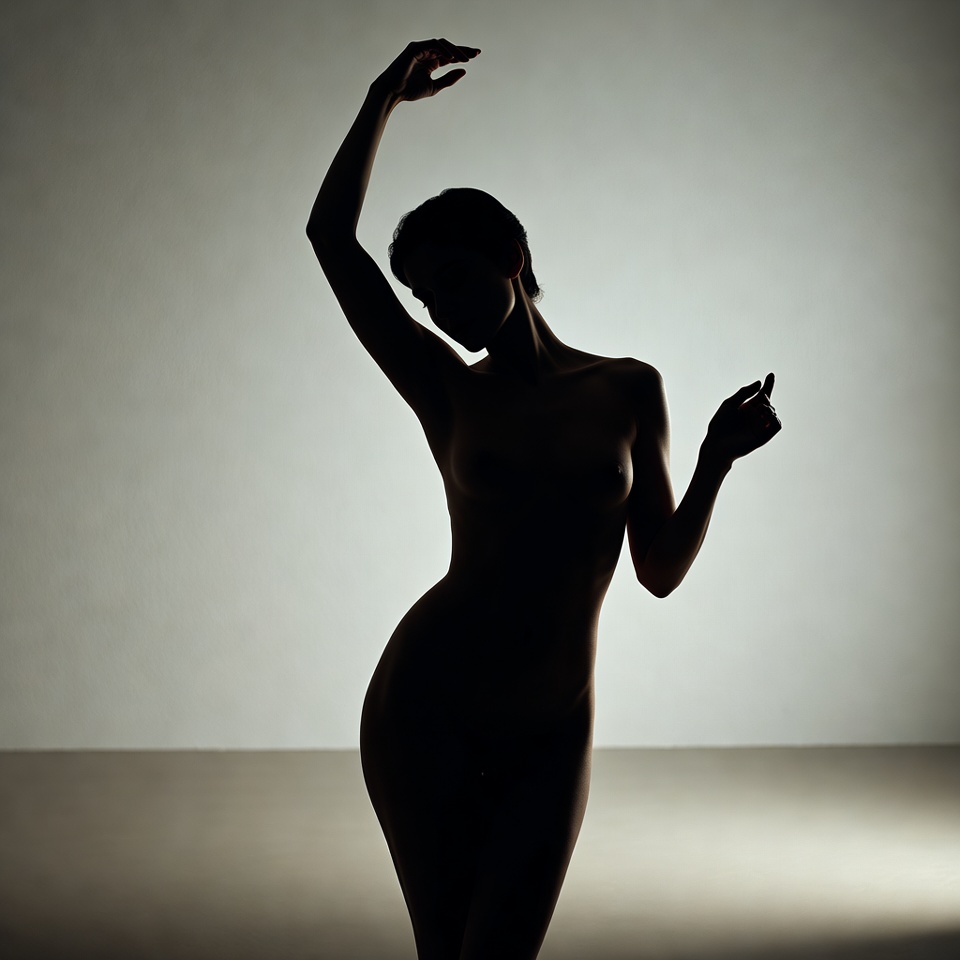
1. The Artistic Vision
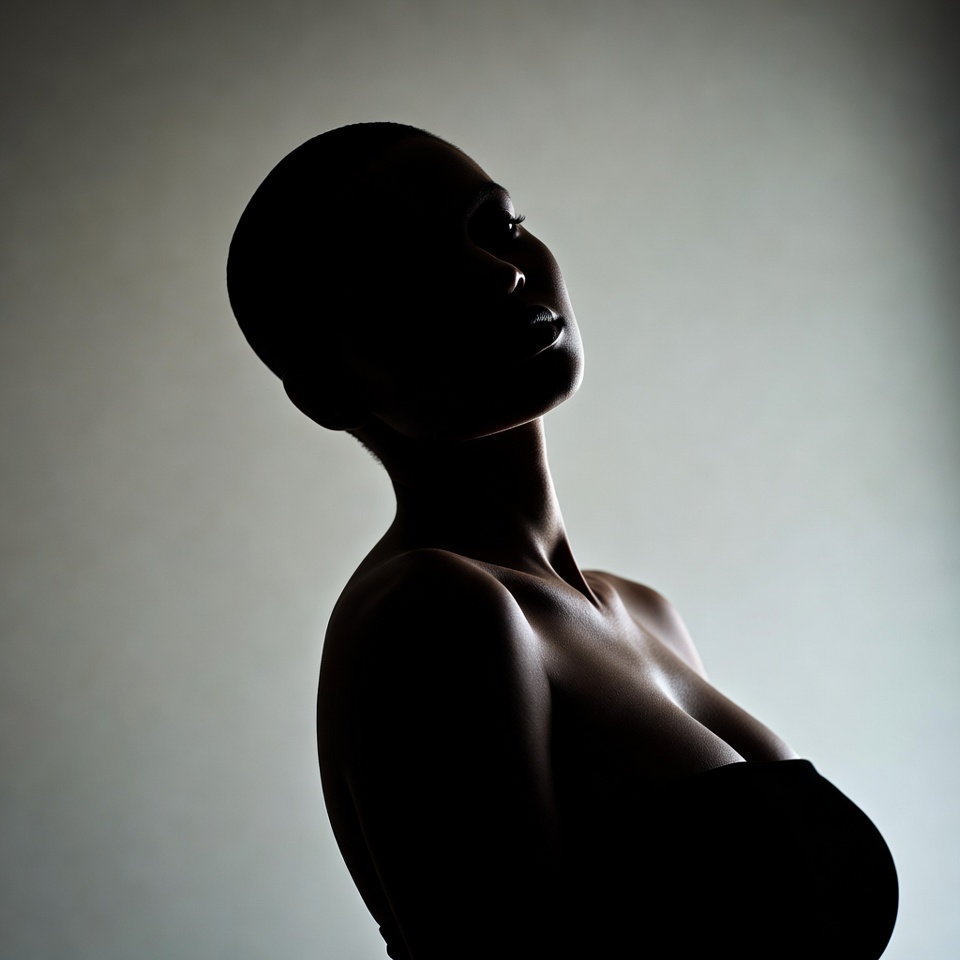
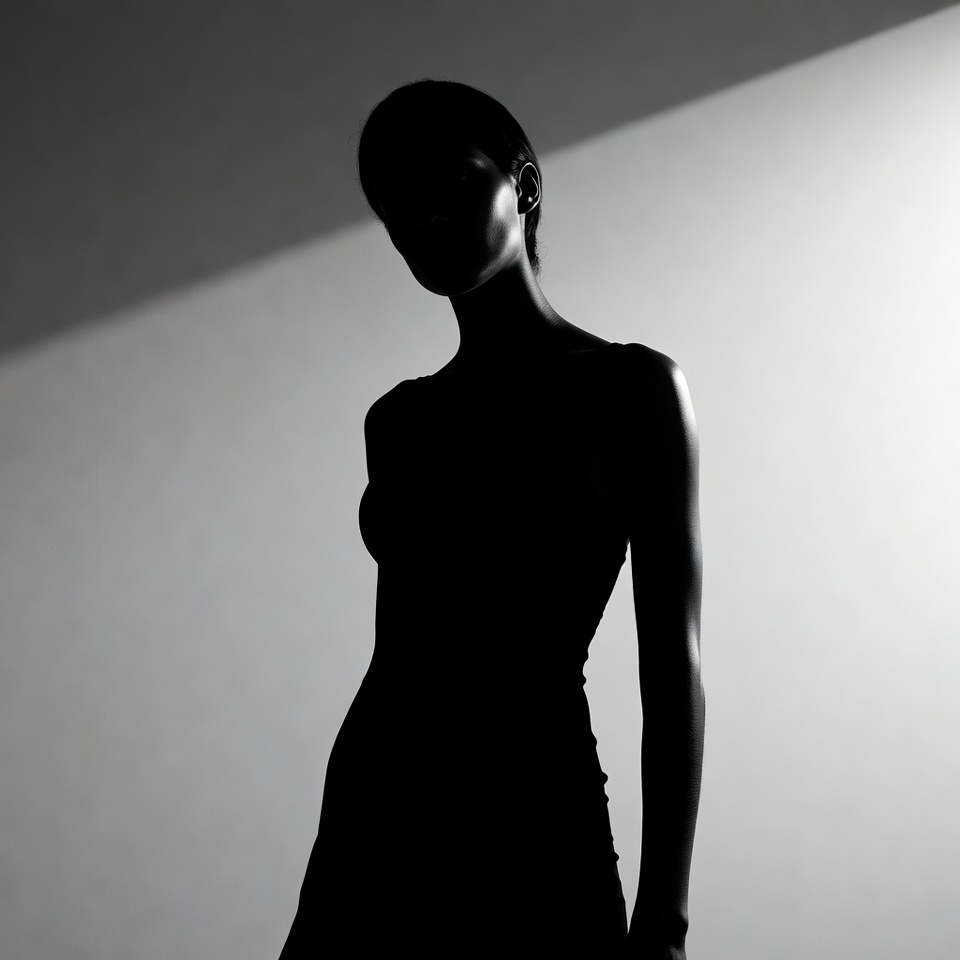
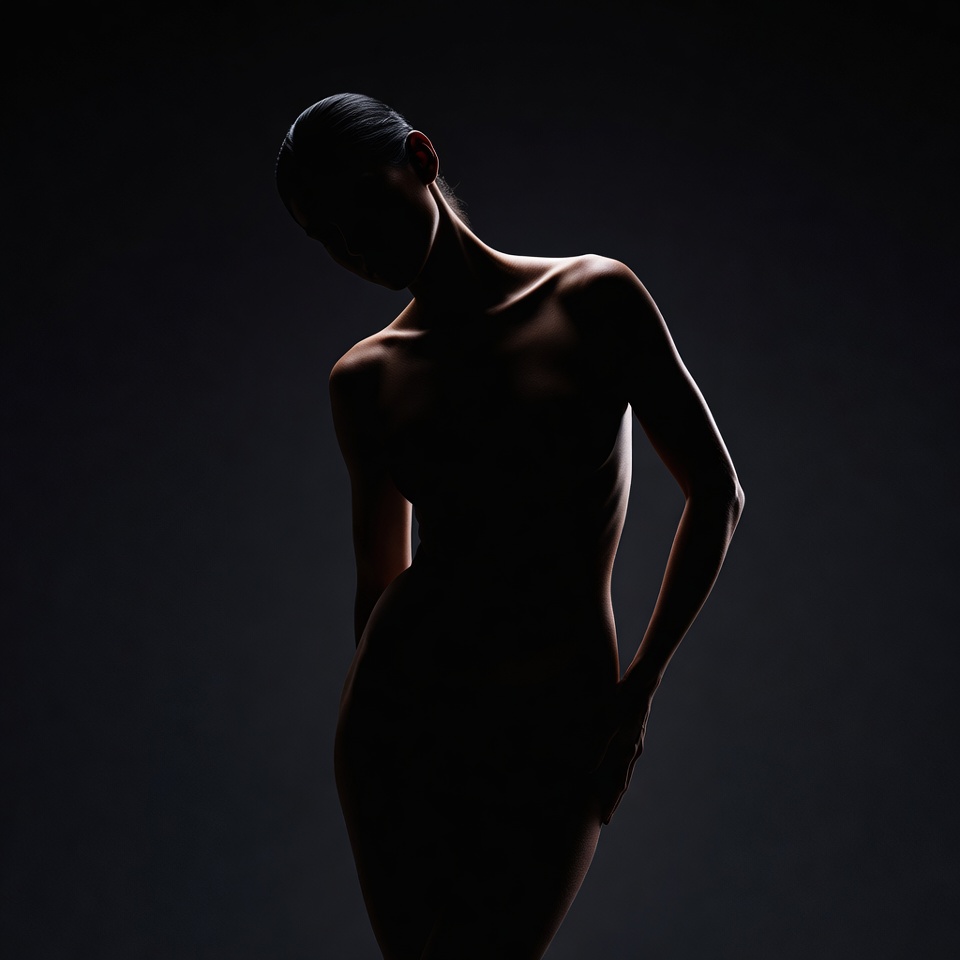
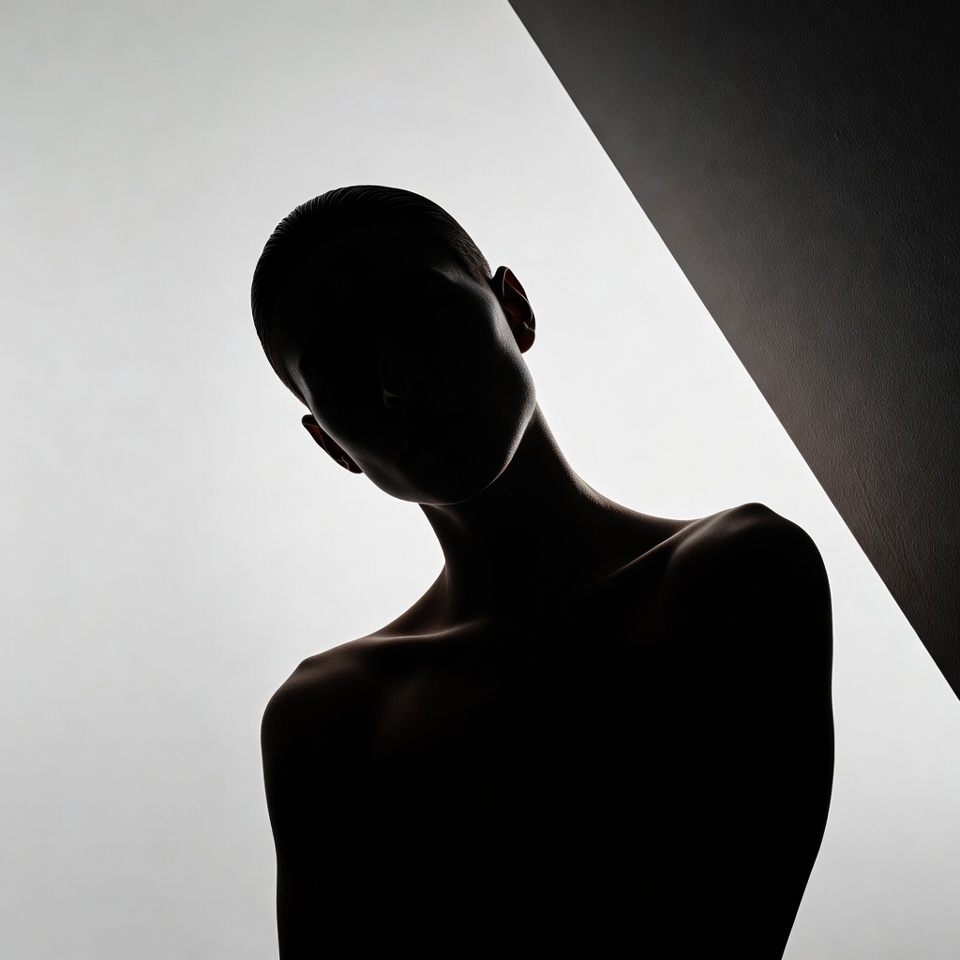
A Silhouette under Harsh Flash is visual aggression with intention: you’re weaponizing contrast. Where soft light explains, flash interrogates hard edges, abrupt falloff, and shadows that feel like withheld information. Combine that with a Wide Angle 24mm look and Diagonal Composition, and the portrait becomes a destabilized evidence frame: proximity, distortion, tension.
The Mysterious mood here doesn’t come from haze or softness it comes from denial of detail. You’re telling the viewer: you can look, but you can’t fully know.
2. The Master Prompt (Copy-Paste Ready)
3. Anatomy of the Shot (Technical Deep Dive)
Why this Lighting: Harsh Flash (as a sculpting tool)
Harsh Flash behaves like a small, intense point source (especially when implied as direct on-camera flash). It creates:
- Hard-edged shadows with minimal transition
- Specular hotspots (on skin, fabric, glassy eyes) that can feel clinical or confrontational
- Rapid exposure falloff that can drop backgrounds into darkness fast
To make “silhouette + flash” coherent, think of two classic setups:
- Backlit flash silhouette: flash behind subject → rim outline + black interior mass
- Overpowering foreground flash: flash blows background + crushes subject detail → graphic cutout feel
In generative prompts, silhouette tends to win if you reinforce shape language: “strong outline,” “high contrast,” “rim light edge.”
Why this Angle: Wide Angle 24mm (psychological distortion)
A 24mm look introduces perspective exaggeration:
- Near/far tension: anything closer to camera feels larger (hands, shoulders, chin)
- Environmental implication even with “minimal background” the lens language suggests space
- Unease: wide-angle portraits often feel intrusive, documentary, or surveillant
For “mysterious,” this works because it creates proximity without access: you’re close, but the identity is withheld by silhouette and contrast.
Why this Composition: Diagonal Composition (instability by design)
Diagonal framing adds:
- Motion in a static image
- Threat / urgency (common in noir, crime stills, and street flash work)
- Guided viewing: the eye rides the diagonal, then gets trapped on the silhouette edge
A strong approach is to align the diagonal with the subject’s shoulder line or profile edge so the silhouette “cuts” the frame.
4. Color Palette & Aesthetics
Recommended Palette: High-Contrast Monochrome (with optional single accent)
- Primary: deep blacks + clipped whites (graphic readability)
- Optional accent: one saturated flash gel feel (red or cyan) for a “signal” in the darkness
Textures to Expect:
- Hard flash sheen on fabrics (nylon, leather)
- Crisp edge definition along hair and profile
- Minimal midtones (the absence of midtones is part of the mystery)
If you want a grittier finish: add “subtle film grain” or “street flash aesthetic.”
5. Pro Tips for Refinement
Tip 1 (Stylization & realism balance):
- Midjourney:
--stylize 250is a good default, but harsh flash can drift into stylized posterization.- If edges look too “illustrated,” reduce to
--stylize 100–150. - If you want bolder graphic impact, increase to
--stylize 300–400and accept some abstraction.
- If edges look too “illustrated,” reduce to
- Stable Diffusion (CFG tuning):
- Start CFG 4.5–6.5 to keep the flash look photographic.
- If SD keeps adding facial detail (breaking silhouette), lower CFG and add negatives like “visible facial features, detailed face.”
Tip 2 (Subject matter that excels as silhouette):
- Profiles and iconic shapes: hats, hoods, sharp collars, long hair, angular jawlines
- Poses with negative space: hand near face, turned shoulder, half-step forward
- Wardrobe with clean geometry (trench coat, structured jacket) reads stronger than busy patterns
Bonus micro-adjustments (safe and tasteful):
- Add: “rim-lit outline,” “crushed blacks,” “flash falloff,” “high contrast”
- Avoid: “soft glow,” “dreamy,” “pastel” (they fight the flash silhouette thesis)
6. FAQ (Rich Snippet Optimized)
Q: Can I use this prompt for Film Noir silhouettes?
A: Yes swap in noir cues like “black-and-white,” “hard shadow geometry,” and “smoke haze,” but keep harsh flash as the contrast engine.
Q: What creates the Mysterious feeling in this shot?
A: The mystery comes from information deprivation: harsh flash creates extreme contrast, silhouette removes identity cues, wide-angle tension feels confrontational, and diagonal composition adds narrative instability.